Tuesday, November 12, 2024
How to Stop Septic Tank Smells Outdoors Naturally

How to Stop Septic Tank Smells Outdoors Naturally
Living with a septic system can be rewarding, providing a sustainable way to manage wastewater. However, it comes with the potential for unpleasant odors, particularly outdoors. These smells can be embarrassing and even detrimental to your enjoyment of your property. Fortunately, there are numerous natural methods to eliminate these odors, ensuring a fresh and pleasant outdoor environment.
Understanding Septic Tank Odors
Septic tank smells arise primarily from the breakdown of organic waste within the system. As bacteria decompose waste, they produce gases, including hydrogen sulfide (which smells like rotten eggs) and ammonia. These gases can escape into the atmosphere, creating the unpleasant odors that permeate the surrounding area.
The source of the smell may not always be the tank itself but rather from other parts of the system, such as:
- Drain Field: If the drain field is overloaded or improperly maintained, it can lead to sewage backup and foul odors.
- Vent Pipes: Septic systems have vent pipes that allow gases to escape into the atmosphere. If these pipes are blocked or damaged, odors can be trapped and released near the vent.
- Leaks: Leaks in the septic system, particularly in the lines connecting the house to the tank, can release sewage directly into the surrounding soil, leading to noticeable odors.
Natural Solutions to Eliminate Septic Tank Odors
Here are some natural methods to combat septic tank odors, promoting a pleasant and odor-free outdoor space.
1. Promote Healthy Bacterial Activity
A healthy septic system relies on a thriving population of beneficial bacteria that decompose waste effectively. This decomposition process minimizes the production of odorous gases. You can promote bacterial activity by introducing beneficial bacteria into your septic system.
- Commercially Available Products: Several commercially available septic tank treatments contain beneficial bacteria and enzymes that aid in the decomposition process. Follow the instructions carefully when using such products.
- Natural Alternatives: Some natural products, like yeast, can also introduce beneficial bacteria to the system. Consult an expert for appropriate dosages and application methods.
2. Manage Water Usage and Wastewater
Excessive water usage and the introduction of certain substances can disrupt the balance of your septic system, leading to odor issues. Proper management of water usage and wastewater can minimize these problems.
- Reduce Water Consumption: Be mindful of your water consumption and opt for water-efficient appliances and fixtures. This helps to avoid overloading the septic system and reduces the amount of wastewater that needs to be processed.
- Avoid Flushing Problematic Items: Don't flush items like wet wipes, disposable diapers, or feminine hygiene products down the toilet. These items can clog the system and hinder the efficient breakdown of waste.
- Minimize Chemical Use: Minimize the use of harsh chemicals, including bleach, disinfectants, and strong cleaning agents. These substances can kill beneficial bacteria in the septic system, leading to reduced decomposition and odor issues.
3. Maintain a Healthy Drain Field
A healthy drain field is essential for efficient wastewater treatment and odor control. Proper maintenance helps to prevent overloading and backups, which can lead to unpleasant smells.
- Regular Inspection: Ensure regular inspection of the drain field by a qualified professional to identify any potential problems early on.
- Avoid Overloading: Avoid heavy water usage during periods of high demand. This can be particularly important during periods of prolonged rain or snowmelt.
- Promote Drainage: Ensure that the drain field area is well-drained. This can be achieved by creating a gentle slope around the drain field to facilitate drainage.
- Plant Cover: Consider planting native grasses and plants that promote drainage and help to absorb excess moisture in the area.
4. Utilize Natural Odor Absorbers
Certain natural materials can effectively absorb odors, creating a fresher outdoor environment. Experiment with the following options:
- Activated Charcoal: Activated charcoal is known for its odor-absorbing properties. Place a bowl or container of activated charcoal near the source of the odor to neutralize the smells.
- Baking Soda: Baking soda is another effective odor absorber. Place open containers of baking soda around the septic tank area to absorb odors.
- Coffee Grounds: Coffee grounds can help to neutralize odors. Scatter coffee grounds around the septic tank area or use them in composting bins near the source of the odor.
- Fresh Herbs: The aromatic oils in herbs like rosemary, lavender, and mint can help to mask unpleasant odors. Plant these herbs near the septic tank area for a natural and pleasant scent.
5. Consider Natural Air Fresheners
To further enhance the outdoor atmosphere, consider using natural air fresheners to combat odors and create a more inviting space.
- Citrus Peels: Place citrus peels, such as orange or lemon, near the septic tank area to release a fresh, citrusy scent.
- Essential Oils: Diffuse essential oils like peppermint, eucalyptus, or tea tree oil near the source of the odor to create a more pleasant scent.
Professional Assistance for Severe Odors
If you are unable to eliminate the odors through natural methods or if the smells are particularly strong or persistent, it's essential to consult a professional septic system specialist.
They can:
- Inspect the System: Conduct a thorough inspection of your septic system to identify the source of the odor.
- Recommend Solutions: Provide recommendations for addressing the specific problem causing the odors.
- Perform Repairs: If necessary, perform repairs to address any leaks, blockages, or other issues that may be contributing to the smells.
It's crucial to address septic system odor issues promptly to prevent health risks and maintain a pleasant outdoor environment. Implementing these natural solutions and seeking professional assistance when necessary can ensure that your septic system operates efficiently while maintaining a fresh and inviting outdoor space.

Eco-Friendly Ways to Remove Septic Tank Odor Outside

Eco-Friendly Ways to Remove Septic Tank Odor Outside
Septic tank odor, while unpleasant, is a common occurrence. The smell arises from the breakdown of organic matter in the tank, releasing hydrogen sulfide and other volatile compounds. While some odors are harmless, others may indicate a problem with your septic system, signaling a need for professional attention. Fortunately, there are various eco-friendly solutions to combat septic tank odor outside your home. These methods are not only effective but also environmentally responsible, minimizing your impact on the ecosystem.
Understanding Septic Tank Odor Sources
Before diving into odor removal techniques, it's crucial to grasp the primary sources of septic tank odor. The culprit is often the volatile compounds released during the decomposition of organic waste in the tank. These compounds can escape through:
- Vent Pipes: These pipes, typically located on your roof, allow gases to escape and prevent pressure buildup within the tank.
- Overflow: If the tank is overloaded, waste can back up and leak into the soil, creating a pungent odor.
- Cracks or Leaks: Damage to the tank or its components, like the leach field, can allow odoriferous gases to seep out.
- Improper Maintenance: Insufficient pumping or the use of harsh chemicals can disrupt the natural breakdown process and increase odor production.
Eco-Friendly Strategies for Odor Elimination
Armed with this understanding, let's explore environmentally responsible solutions to combat septic tank odor.
1. Maintaining Proper Septic Tank Function
The most effective way to combat odor is to ensure your septic system operates efficiently. This includes:
- Regular Pumping: Schedule regular pumping to prevent the tank from becoming overloaded, typically every 3-5 years. This ensures proper waste decomposition and reduces the risk of overflow.
- Avoiding Harsh Chemicals: Avoid using harsh chemicals like bleach, disinfectants, and drain cleaners, as they can disrupt the natural bacterial balance in your tank and lead to odor production.
- Water Conservation: Practice water conservation measures to minimize the volume of water entering the tank, thereby reducing the amount of waste and slowing down odor-producing decomposition.
2. Utilizing Natural Odor Eliminators
Nature offers a range of effective solutions to combat odor. These methods are safe for the environment and gentle on your septic system.
- Baking Soda and Vinegar: Pour a mixture of equal parts baking soda and vinegar down the drain, followed by a flush of hot water. This creates a bubbly reaction that helps neutralize odors. Repeat this process weekly for maintenance.
- Coffee Grounds: Coffee grounds are a natural deodorizer and can be used to absorb odors. Place a small amount of grounds down the drain, followed by a flush of hot water. This can be done on a weekly basis to prevent build-up.
- Activated Charcoal: Activated charcoal is a highly porous material that effectively absorbs odors. Place a small amount of activated charcoal in a mesh bag and hang it near the septic tank vent pipe. Replace the charcoal every few months.
- Citrus Peels: Citrus peels, rich in essential oils, have a refreshing scent and can help mask odors. Place citrus peels down the drain or near the septic tank vent pipe. This provides a temporary solution for odor control.
- Essential Oils: Certain essential oils, like tea tree oil, eucalyptus oil, and peppermint oil, possess antimicrobial properties and can help neutralize odors. Add a few drops of essential oil to a spray bottle filled with water and spray it near the septic tank vent pipe or around the perimeter of your home.
3. Enhancing Air Circulation
Good ventilation can help dissipate odor-causing gases.
- Vent Pipe Inspection: Ensure your septic tank vent pipe is unobstructed and functioning correctly. Check for clogs or blockages that may prevent proper airflow.
- Planting Trees Strategically: Planting trees with strong roots and a dense canopy can help absorb odors and create a natural barrier. Choose trees with a strong scent, such as pine or cedar, to further mask unpleasant odors.
- Using Fans: Consider placing a fan near the septic tank vent pipe to increase air circulation and disperse odors. A small, oscillating fan or a simple box fan can be effective.
4. Utilizing Natural Odor-Neutralizing Products
The market offers a variety of eco-friendly odor-neutralizing products specifically designed for septic tanks. These products often use natural ingredients like enzymes, probiotics, and bacteria to break down waste and reduce odor production. Look for products with a third-party certification, like the Environmental Protection Agency (EPA) Safer Choice label, to ensure they meet safety and environmental standards.
When to Seek Professional Assistance
While these eco-friendly methods can effectively address many septic tank odor issues, persistent or severe odors may indicate a more serious problem that requires professional intervention. Contact a qualified septic system specialist if you encounter any of the following:
- Frequent Odor: If the odor is constant or recurring despite using these methods, it could indicate a deeper issue with your septic system.
- Sudden Odor Change: A sudden change in the odor, such as a more pungent or offensive smell, may signal a problem with the tank or leach field.
- Visible Signs of Damage: If you notice any visible cracks, leaks, or damage to your septic tank or its components, contact a professional immediately.
- Pooling Water: If you observe pooling water near your septic tank or leach field, it may indicate a blockage or malfunction, which should be addressed promptly.
Conclusion
Septic tank odor can be a nuisance, but it doesn't have to be a source of stress or an environmental concern. By implementing these eco-friendly solutions, you can effectively combat odors while minimizing your impact on the environment. From simple maintenance practices to natural odor eliminators, a range of options exist to address this common issue. Remember, early detection and preventative measures are crucial for maintaining a healthy septic system and minimizing the risk of costly repairs or environmental damage.
How to Control Septic Tank Smell in Vacation Homes

Conquering Septic Tank Smell in Vacation Homes: A Guide to Fresh Air
Owning a vacation home is a dream for many, a retreat where you can escape the daily grind and enjoy peace and tranquility. However, a dreaded enemy can turn this sanctuary into a smelly nightmare: the septic tank. That unpleasant odor can quickly ruin the enjoyment of your getaway, leaving you wondering what to do. Fear not! This guide will equip you with practical tips and tricks to conquer the septic tank smell and ensure your vacation home remains a haven of fresh air.
Understanding the Source of the Smell
Before diving into solutions, it's crucial to understand the root cause of the smell. Septic systems are designed to break down waste through natural processes. However, when these processes are disrupted, unwelcome odors can surface. This disruption can happen for various reasons:
Overloading the System
Using excessive water or flushing inappropriate items (like grease, wipes, or hair) can overwhelm the system, leading to backups and foul smells.
Improper Maintenance
Neglecting routine maintenance like pumping the tank can cause sludge buildup, disrupting the bacteria's natural breakdown process and emitting odors.
System Age and Degradation
As the septic system ages, its components may degrade, leading to leaks and other issues that contribute to the smell.
Tackling the Smell: Practical Solutions
Once you've identified the source of the odor, it's time to act! Here are some effective solutions to combat the septic tank smell in your vacation home:
Regular Pumping: The Foundation of Freshness
Pumping your septic tank is crucial for preventing odor buildup. Aim for a pumping schedule of every 3-5 years, depending on your system's size and usage. Don't wait for the smell to appear; proactive pumping is the best defense!
Conserving Water: Less is More
Minimize water usage to reduce the load on your septic system. This includes:
- Taking shorter showers.
- Using low-flow showerheads and toilets.
- Fixing any leaky faucets promptly.
Proper Waste Disposal: A Crucial Habit
Only flush toilet paper and human waste down the drain. Avoid putting anything else, like:
- Wipes (even if labeled "flushable")
- Grease or oils
- Hair or other debris
- Heavy-duty cleaning products
Adding Bacteria: Enhancing the Breakdown Process
Introducing beneficial bacteria to your septic tank can help break down waste more efficiently, reducing odors. You can purchase these bacteria in liquid or tablet form from home improvement stores. Consult your septic system manual or a professional for proper dosage and application.
Ventilation: Ensuring Fresh Air
Good ventilation is key to preventing odors from accumulating. Ensure the vents on your septic system are clear and unobstructed. You can also install a vent fan in the bathroom to draw away odors.
Spot-Treating Odors: Eliminating the Source
For stubborn odors, you can use a commercial odor eliminator specifically designed for septic systems. These products usually contain enzymes or bacteria to break down the source of the smell. Apply as directed, but avoid overuse, as it can potentially harm your system's bacteria balance.
Calling in the Professionals: When Needed
If the smell persists despite your best efforts, it's time to call in the professionals. A septic tank inspector can identify any underlying problems and recommend solutions.
Prevention is Key: Maintaining Your Septic System
The best approach to conquering septic tank smell is to prevent it in the first place. Regularly maintain your system to ensure it's functioning optimally. This includes:
- Inspecting the system annually: Look for any signs of leaks, cracks, or damage.
- Checking the drainfield: Ensure it's properly functioning and not becoming overwhelmed.
- Keeping records of pumping and maintenance: This helps track your system's health and schedule necessary services.
Enjoy Your Vacation Home Smell-Free
Following these tips will help you banish the septic tank smell from your vacation home and ensure a relaxing and odor-free getaway. By understanding the source of the smell, taking preventative measures, and implementing practical solutions, you can reclaim the peaceful and enjoyable retreat you deserve.
How to Treat Septic Tank Smell Using Safe and Non-Toxic Methods
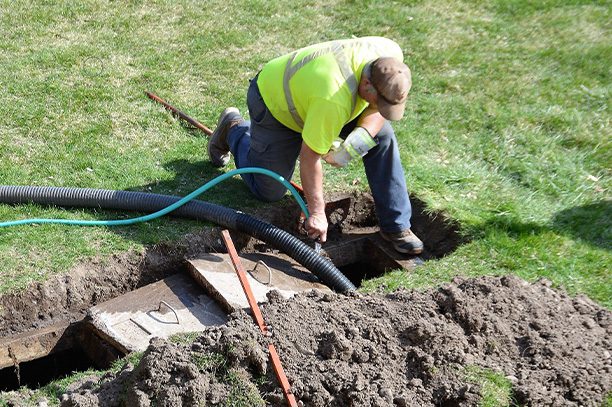
Tackling Septic Tank Smell: Safe and Non-Toxic Solutions
A pungent, unpleasant odor emanating from your yard can be a telltale sign of a septic tank problem. While the thought of dealing with this issue may seem daunting, there are safe and non-toxic methods to combat the smell and ensure a healthy septic system. This guide will equip you with the knowledge and practical solutions to effectively eliminate the odor and keep your septic tank functioning optimally.
Understanding the Source of the Smell
Before diving into solutions, it's crucial to understand the root cause of the septic tank smell. The odor typically arises from hydrogen sulfide gas, a byproduct of the decomposition process within the tank. This gas can escape through vents, cracks in the system, or even through the ground if the tank is overloaded or not properly maintained.
Safe and Effective Solutions
1. Maintain a Healthy Septic System
A well-maintained septic system is less prone to odors. This includes:
- Regularly pumping the tank: Schedule professional pumping every 3-5 years, depending on the tank's size and usage.
- Minimize flushing harmful substances: Avoid flushing items like grease, oil, medications, and disposable wipes, which can clog the system and lead to foul odors.
- Use septic-safe cleaners: Avoid harsh chemicals that can disrupt the bacteria's balance in the septic system. Opt for enzyme-based septic tank additives to aid in the decomposition process.
2. Address Venting Issues
A properly functioning vent pipe is essential for releasing gases safely. If the vent pipe is blocked or damaged, it can force gases to escape through other pathways, creating a foul odor. Inspect the vent pipe for obstructions, ensuring it's free of debris. If the vent is damaged, have a professional repair or replace it.
3. Control Odor with Natural Solutions
Certain natural remedies can help neutralize odors and improve the overall environment around the septic tank.
- Baking soda and vinegar: Pouring a mixture of baking soda and vinegar down the drain can create a fizzing action that helps to remove odor-causing bacteria and debris.
- Citrus peels: Place citrus peels (orange, lemon, or grapefruit) in the septic tank or down the drain. The citrus oils can help to mask unpleasant odors and contribute to a fresher scent.
- Activated charcoal: Activated charcoal is known for its ability to absorb odors. Place a small amount of activated charcoal in a container near the septic tank vent.
4. Utilize Aeration Techniques
Aerating the septic system can help to reduce odor by promoting the decomposition of organic matter and reducing the formation of hydrogen sulfide gas. This can be achieved through:
- Septic system aerators: These devices are designed to introduce air into the septic tank, improving the efficiency of the decomposition process.
- Planting trees near the septic tank: Certain tree species with deep root systems can help to aerate the soil around the tank, reducing odor.
Seek Professional Assistance When Needed
While these methods are effective, some situations may require professional intervention. If the odor persists despite your efforts, or you notice other issues like slow drains or backups, it's crucial to call a licensed septic contractor. They can diagnose the problem, identify potential repairs, and recommend solutions to effectively address the odor and ensure the long-term health of your septic system.
By implementing these safe and non-toxic methods, you can effectively tackle septic tank smells and keep your home environment fresh and pleasant. Remember that preventative maintenance and a proactive approach to septic system care are essential for minimizing odor and maximizing the lifespan of your system.
How to Manage Septic Tank Odor During Vacation Periods

Keeping Your Septic System Smell-Free While You're Away
Heading off on vacation is exciting, but the thought of a smelly septic tank can dampen your spirits. Nobody wants to return home to an unpleasant odor, especially after a relaxing getaway. Fortunately, there are several steps you can take to minimize the risk of septic odors while you're away. Let's dive into the best ways to keep your septic system fresh and odor-free during your vacation.
Minimize Water Usage
One of the most important steps is to limit the amount of water going into your septic system. This reduces the workload on your system and prevents the buildup of waste that can lead to odor problems. Here's how to do it:
Limit Laundry
Save those large laundry loads for your return. Instead, hand-wash a few essential items if needed.
Skip the Shower Every Day
A quick sponge bath or a shower every other day will suffice. Consider taking advantage of hotel showers during your trip, too.
Avoid Running the Dishwasher
Hand wash dishes, or use paper plates and cutlery for a truly low-water vacation approach.
Flush with Care
While it's tempting to simply flush everything down the toilet, doing so can contribute to septic tank odor. Use your trash can for anything that might be difficult to decompose, like paper towels, food scraps, or coffee grounds.
Go Easy on the Toilet Paper
Opt for septic-safe toilet paper that breaks down quickly. Avoid using wipes or other products that are not biodegradable.
Ditch the Garbage Disposal
Skip the garbage disposal while you're away. Dispose of food scraps in your regular trash can.
Add a Septic Treatment
Septic tank treatments can work wonders in controlling odor. These products often contain beneficial bacteria that break down waste, making it less likely to produce unpleasant smells. Choose a septic tank treatment that is safe for your system and follow the manufacturer's instructions carefully.
Don't Forget the Basics
In addition to minimizing water usage and adding septic treatment, there are a few other things you can do to prevent odors:
- Make sure your septic tank lid is tightly closed. This will prevent odors from escaping.
- Keep the vent pipe clear. The vent pipe allows gases to escape from the septic tank. Make sure it is unobstructed.
- Monitor the system for any signs of trouble. Look for unusual noises, slow drains, or pools of water around your septic tank or drainfield. Contact a qualified septic service professional immediately if you notice any problems.
Returning Home
Upon your return, be sure to flush your toilet several times to help the system recover from the reduced water flow. Also, consider using a septic tank treatment to help break down any accumulated waste and prevent future odors.
By following these simple tips, you can enjoy a relaxing vacation without worrying about a smelly septic system. A little proactive maintenance can make a big difference in ensuring a pleasant return home.
How to Fix Septic Tank Smell Problems from Sewer Line Issues

Conquering Septic Tank Smell: Tracing the Source to the Sewer Line
A pungent, foul odor emanating from your yard or home can be a clear sign of a septic system malfunction. While many associate the smell with the septic tank itself, the culprit may actually lie within the sewer line. These underground pipes transport wastewater from your house to the septic tank, and when they become damaged or clogged, unpleasant odors can escape, creating a serious nuisance. Here's a guide to understanding the common causes of septic tank smell problems originating from sewer line issues and how to fix them.
Understanding the Source of the Smell
Septic systems are designed to be self-contained, effectively breaking down waste and releasing only clean water. The smell you're experiencing indicates a disruption in this process. If the problem originates from the sewer line, it likely involves one of the following:
Cracked or Broken Pipes
Over time, sewer lines can become damaged, leading to cracks or even complete breaks. These openings allow sewage to leak into the surrounding soil, releasing the offensive odor.
Clogged Pipes
Tree roots, grease, or debris can accumulate in the sewer line, creating blockages that restrict the flow of wastewater. This buildup can trap gases and force them to back up, causing the odor to escape through vents or other openings.
Improper Slope
A properly sloped sewer line allows wastewater to flow smoothly to the septic tank. If the slope is insufficient, wastewater can stagnate, leading to odor production and potential backups.
Leaking Connections
The connections between the sewer line and your plumbing fixtures can weaken over time, creating leaks that allow wastewater to escape. This can lead to foul odors, especially if the leak is near a drain or vent.
Identifying the Problem
Before you tackle a repair, it's important to pinpoint the exact source of the sewer line problem. Here are some tips:
- Inspect your yard: Look for signs of wetness, lush patches of grass, or a distinct odor near your septic system or drain field.
- Check the vents: If the smell is strongest near a vent, a blockage within the vent stack could be the culprit.
- Investigate your plumbing fixtures: Listen for gurgling sounds or sluggish drainage, which might indicate a clogged or leaking drain.
- Consult a professional: If you're unsure about the source of the odor, contact a qualified plumber or septic system specialist for an inspection.
Fixing the Problem
The appropriate repair method will depend on the nature of the issue. Here are some common solutions:
Replacing Damaged Pipes
If cracks or breaks are identified, the damaged section of the sewer line will need to be replaced. This involves excavating the affected area, removing the old pipe, and installing a new one.
Clearing Clogged Pipes
Clogged pipes can be cleared using a drain snake or hydro-jetting. A drain snake is a long, flexible cable with a rotating head that breaks up blockages. Hydro-jetting involves blasting high-pressure water through the pipe to remove debris.
Adjusting the Slope
If the sewer line slope is inadequate, it may need to be adjusted. This often requires excavating a portion of the line and re-laying it with a steeper incline.
Repairing or Replacing Connections
Leaky connections can be repaired with sealant or by replacing the entire fitting. If the connection is severely damaged or corroded, it may need to be replaced entirely.
Preventing Future Problems
Once you've addressed the immediate issue, take steps to prevent sewer line problems in the future:
- Maintain regular septic tank maintenance: Schedule regular pumpings to prevent sludge buildup and ensure optimal system function.
- Avoid pouring grease down the drain: Grease can solidify in the pipes, creating blockages.
- Use septic-safe products: Avoid using harsh chemicals or cleaners that can damage the septic system.
- Be cautious with tree roots: Keep trees and shrubs away from the sewer line to prevent roots from penetrating and clogging the pipes.
By understanding the common causes of septic tank smell problems from sewer line issues, you can take proactive steps to address the problem and maintain a healthy, odor-free septic system. If you're uncertain about any aspect of septic system maintenance or repair, consult with a qualified professional for expert guidance and assistance.
How to Remove Septic Tank Odors in Cold Climates
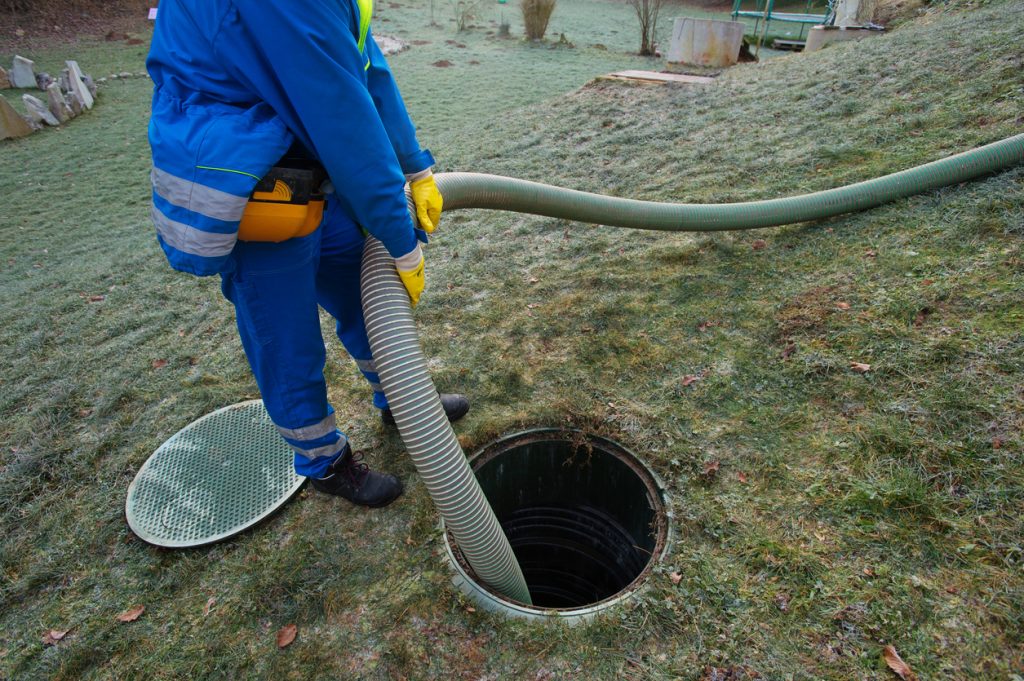
Conquering Septic Tank Odors in Cold Climates: A Practical Guide
Living in a cold climate with a septic system can be a bit of a balancing act. You've got the cozy feeling of a warm home, but sometimes, that cozy feeling gets overshadowed by an unpleasant odor. Those septic tank smells can be a real downer, especially when the temperatures plummet and the ground freezes solid. But don't despair! This guide is here to help you tackle those lingering septic tank odors and reclaim your home's freshness.
Understanding the Cold-Weather Challenge
The problem isn't just the cold air itself, but the way it affects your septic system. Think of it like this: during the warmer months, your septic tank and leach field rely on the natural process of bacteria breaking down waste. This process requires a certain temperature range to function optimally. When temperatures drop, those bacteria slow down, and the breakdown process takes longer. This can lead to a buildup of waste and gases, which can find their way to the surface, making their presence known with that unwelcome odor.
First Steps: Addressing the Root of the Problem
Before we start focusing on eliminating the odor, let's talk about addressing the underlying issue. Sometimes, a septic tank odor is a sign that your system needs a little TLC. Here are a few things to consider:
1. Pumping the Tank
A full septic tank is a recipe for trouble. Over time, sludge and solids accumulate at the bottom of the tank. If the tank gets too full, it can put pressure on the leach field, leading to blockages and unpleasant smells. It's crucial to have your tank pumped regularly, typically every 3-5 years depending on tank size and household usage. The best practice is to schedule a professional pumping service in the fall, before the ground freezes. This will help ensure your system is in good shape for the winter months.
2. Inspecting the Leach Field
The leach field is responsible for filtering wastewater from the tank. If the leach field is damaged or overloaded, it can cause backflow and result in odors. Look for signs of standing water or pooling in the leach field area. If you suspect a problem, it's best to call a qualified septic system technician. They can assess the situation and recommend the necessary repairs.
3. Avoiding Common Culprits
Certain household products can wreak havoc on your septic system. It's best to avoid using:
These substances can kill the beneficial bacteria in your septic tank and disrupt its natural process. If you're not sure what to use, always check the product label for septic system safety information.
Home Remedies for Septic Tank Odor Control
Once you've taken care of any underlying problems, it's time to tackle the odor itself. Here are some tried-and-true home remedies that can help freshen the air:
1. Baking Soda and Vinegar
This classic cleaning duo can work wonders! Pour a cup of baking soda down the drain, followed by a cup of vinegar. The fizzing action helps to break down odors and loosen any clogs. Let the mixture sit for about 30 minutes, then flush with hot water.
2. The Power of Essential Oils
Certain essential oils, like lemon, eucalyptus, and peppermint, have strong natural fragrances that can mask unpleasant odors. Mix a few drops of your favorite essential oil with a cup of baking soda and sprinkle the mixture down the drain. You can also add a few drops of essential oil to a spray bottle filled with water and spritz the air around your home.
3. Salt and Baking Soda
This simple mixture can help absorb odors and freshen the air. Combine equal parts salt and baking soda in a small bowl and place it near the source of the odor. You can also sprinkle a little of this mixture down the drain.
4. Coffee Grounds
Coffee grounds are known for their odor-absorbing properties. Sprinkle a handful of used coffee grounds down the drain or place a bowl of coffee grounds near the source of the smell.
5. Activated Charcoal
Activated charcoal is a natural odor absorber. Place a small bowl of activated charcoal near the source of the odor or sprinkle a layer on the bottom of your garbage can.
Preventing Odors in the Future
Here are some tips to help keep your septic system running smoothly and prevent odors in the future:
When to Call a Professional
While most septic tank odor problems can be solved with simple home remedies and preventative measures, some situations require the expertise of a professional. If you notice any of the following, it's best to contact a qualified septic system technician:
Keeping your septic system healthy and odor-free can be achieved through regular maintenance, careful usage, and a few simple home remedies. By addressing the underlying causes and taking proactive steps, you can enjoy a fresh-smelling home throughout the winter months and beyond!