Tuesday, November 12, 2024
How to Treat Septic Tank Smell Using Safe and Non-Toxic Methods
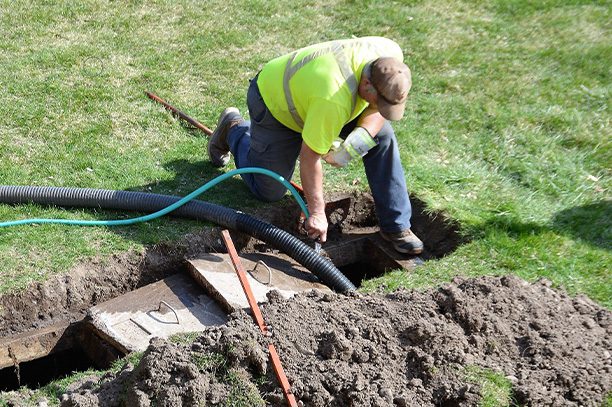
Tackling Septic Tank Smell: Safe and Non-Toxic Solutions
A pungent, unpleasant odor emanating from your yard can be a telltale sign of a septic tank problem. While the thought of dealing with this issue may seem daunting, there are safe and non-toxic methods to combat the smell and ensure a healthy septic system. This guide will equip you with the knowledge and practical solutions to effectively eliminate the odor and keep your septic tank functioning optimally.
Understanding the Source of the Smell
Before diving into solutions, it's crucial to understand the root cause of the septic tank smell. The odor typically arises from hydrogen sulfide gas, a byproduct of the decomposition process within the tank. This gas can escape through vents, cracks in the system, or even through the ground if the tank is overloaded or not properly maintained.
Safe and Effective Solutions
1. Maintain a Healthy Septic System
A well-maintained septic system is less prone to odors. This includes:
- Regularly pumping the tank: Schedule professional pumping every 3-5 years, depending on the tank's size and usage.
- Minimize flushing harmful substances: Avoid flushing items like grease, oil, medications, and disposable wipes, which can clog the system and lead to foul odors.
- Use septic-safe cleaners: Avoid harsh chemicals that can disrupt the bacteria's balance in the septic system. Opt for enzyme-based septic tank additives to aid in the decomposition process.
2. Address Venting Issues
A properly functioning vent pipe is essential for releasing gases safely. If the vent pipe is blocked or damaged, it can force gases to escape through other pathways, creating a foul odor. Inspect the vent pipe for obstructions, ensuring it's free of debris. If the vent is damaged, have a professional repair or replace it.
3. Control Odor with Natural Solutions
Certain natural remedies can help neutralize odors and improve the overall environment around the septic tank.
- Baking soda and vinegar: Pouring a mixture of baking soda and vinegar down the drain can create a fizzing action that helps to remove odor-causing bacteria and debris.
- Citrus peels: Place citrus peels (orange, lemon, or grapefruit) in the septic tank or down the drain. The citrus oils can help to mask unpleasant odors and contribute to a fresher scent.
- Activated charcoal: Activated charcoal is known for its ability to absorb odors. Place a small amount of activated charcoal in a container near the septic tank vent.
4. Utilize Aeration Techniques
Aerating the septic system can help to reduce odor by promoting the decomposition of organic matter and reducing the formation of hydrogen sulfide gas. This can be achieved through:
- Septic system aerators: These devices are designed to introduce air into the septic tank, improving the efficiency of the decomposition process.
- Planting trees near the septic tank: Certain tree species with deep root systems can help to aerate the soil around the tank, reducing odor.
Seek Professional Assistance When Needed
While these methods are effective, some situations may require professional intervention. If the odor persists despite your efforts, or you notice other issues like slow drains or backups, it's crucial to call a licensed septic contractor. They can diagnose the problem, identify potential repairs, and recommend solutions to effectively address the odor and ensure the long-term health of your septic system.
By implementing these safe and non-toxic methods, you can effectively tackle septic tank smells and keep your home environment fresh and pleasant. Remember that preventative maintenance and a proactive approach to septic system care are essential for minimizing odor and maximizing the lifespan of your system.

No comments:
Post a Comment
Note: Only a member of this blog may post a comment.