Tuesday, November 12, 2024
How to Fix Septic Tank Odor from Excessive Use of Harsh Cleaners
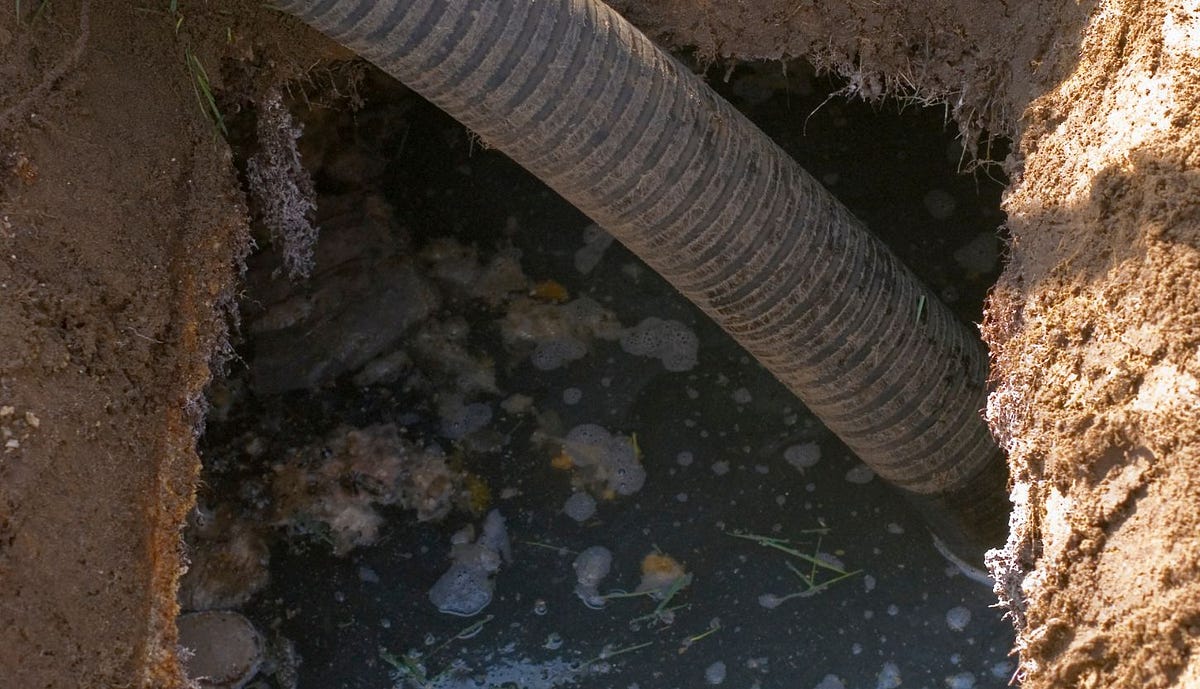
The presence of a foul odor emanating from a septic system is a common household problem that can be both unpleasant and indicative of underlying issues. While septic systems are designed to process wastewater effectively, excessive use of harsh cleaners can disrupt the delicate balance of bacteria responsible for breaking down waste, leading to unpleasant odors. This article will delve into the impact of harsh cleaners on septic systems, explore the mechanisms behind odor production, and offer practical solutions to eliminate and prevent future odors.
Understanding the Role of Bacteria in Septic Systems
Septic systems rely on a symbiotic relationship between anaerobic bacteria and wastewater. These bacteria thrive in oxygen-deprived environments and break down organic matter, converting it into simpler substances like methane and carbon dioxide. This process is crucial for the efficient operation of a septic system, ensuring the decomposition of waste and the release of treated water into the drain field.
The Detrimental Impact of Harsh Cleaners
Harsh cleaners, often containing strong chemicals like bleach, ammonia, and chlorine, pose a significant threat to the delicate balance of bacteria within a septic system. These chemicals are highly toxic to anaerobic bacteria, disrupting their vital functions and potentially killing them off entirely. This disruption in the bacterial population weakens the system's ability to break down waste effectively, leading to:
Reduced Waste Decomposition: The lack of sufficient bacteria reduces the rate at which waste is broken down, allowing it to accumulate in the tank.
Increased Sludge Formation: The incomplete decomposition of waste leads to the formation of thick, sludge-like layers at the bottom of the tank, further impeding the decomposition process.
Release of Malodorous Gases: The incomplete decomposition of waste allows the release of foul-smelling gases, such as hydrogen sulfide, ammonia, and methane, which can permeate the surrounding environment.
The Mechanisms Behind Septic Tank Odor
The unpleasant odors associated with septic systems arise from the incomplete decomposition of waste, resulting in the release of volatile sulfur compounds (VSCs). These compounds, particularly hydrogen sulfide, are known for their distinctive rotten egg smell and can cause discomfort and health issues.
Several factors contribute to the production of VSCs in a septic system:
Anaerobic Decomposition: The absence of oxygen within the septic tank promotes the growth of anaerobic bacteria, which produce VSCs as a byproduct of their metabolic processes.
Sulfur-Containing Compounds: Wastewater contains organic matter rich in sulfur, which is readily converted into VSCs by anaerobic bacteria.
Inadequate Aeration: Insufficient aeration within the septic tank can lead to the accumulation of VSCs, as they are not adequately broken down or dispersed.
Overloading: Overloading the septic system can lead to the accumulation of waste, providing a conducive environment for the production and release of VSCs.
Solutions for Eliminating Septic Tank Odor
Addressing septic tank odor requires a multifaceted approach, focusing on restoring the bacterial balance, improving waste decomposition, and reducing the production of VSCs:
1. Minimize the Use of Harsh Cleaners:
Switch to Biodegradable Alternatives: Opt for eco-friendly cleaners formulated with natural ingredients that are less likely to harm septic system bacteria.
Avoid Bleach and Ammonia: Eliminate the use of bleach, ammonia, and other strong chemicals in your cleaning routine.
Use Baking Soda and Vinegar: Baking soda and vinegar can effectively clean without harming the septic system.
Flush Carefully: Ensure that all chemicals, including those from personal care products, are flushed down the drain and not disposed of directly into the septic tank.
2. Optimize Septic System Maintenance:
Regular Inspections: Schedule regular inspections of your septic system to identify potential issues before they worsen.
Pumping and Cleaning: Have your septic tank professionally pumped and cleaned every 3-5 years, depending on usage, to remove accumulated sludge and solids.
Aerate the System: Consider adding a septic system aerator to improve oxygen levels and promote the growth of aerobic bacteria, which can help to break down waste more efficiently.
3. Utilize Septic System Additives:
Bacteria Boosters: Introduce bacterial additives to the septic system to replenish the population of beneficial bacteria and improve waste decomposition.
Odor Neutralizers: Utilize odor neutralizers designed for septic systems to absorb and eliminate unpleasant smells.
4. Address Specific Causes:
Leaking Pipes: Inspect your plumbing system for leaks that could introduce contaminants into the septic system.
Overloaded System: If your septic system is overloaded, consider upgrading to a larger tank or reducing wastewater usage.
Blocked Drain Fields: If your drain field is blocked, seek professional assistance to clear the blockage and restore proper drainage.
Preventing Future Odors:
Adopt a Sustainable Cleaning Routine: Utilize eco-friendly cleaning products designed for septic systems.
Practice Water Conservation: Reduce water usage to lessen the load on your septic system.
Avoid Flushing Unnecessary Items: Do not flush items like wipes, paper towels, and food waste down the toilet, as these can clog the system and hinder waste decomposition.
Regular Maintenance: Maintain your septic system regularly to prevent buildup and ensure optimal performance.
Conclusion:
The presence of septic tank odor is a sign of an imbalance within the system, often caused by the overuse of harsh cleaners. By adopting a multifaceted approach that includes minimizing harsh cleaners, optimizing maintenance, and utilizing appropriate additives, you can effectively eliminate and prevent future odors.
Remembering the importance of maintaining a healthy bacterial balance in your septic system, prioritizing sustainable cleaning practices, and seeking professional assistance when needed can ensure a clean and odor-free environment for your home.

No comments:
Post a Comment
Note: Only a member of this blog may post a comment.