Thursday, November 14, 2024
Septic Tank Odor Eliminators: Tips for Long-Term Freshness
Septic Tank Odor Eliminators: Tips for Long-Term Freshness
The unmistakable scent of a malfunctioning septic system can be a source of embarrassment and discomfort. It's not only unpleasant but can also be a sign of underlying problems that require attention. Fortunately, a range of septic tank odor eliminators are available, offering solutions to combat this issue and restore a fresh environment. This article explores the effectiveness of these products, the factors influencing their performance, and provides insights for achieving long-term freshness.
Understanding Septic Tank Odors
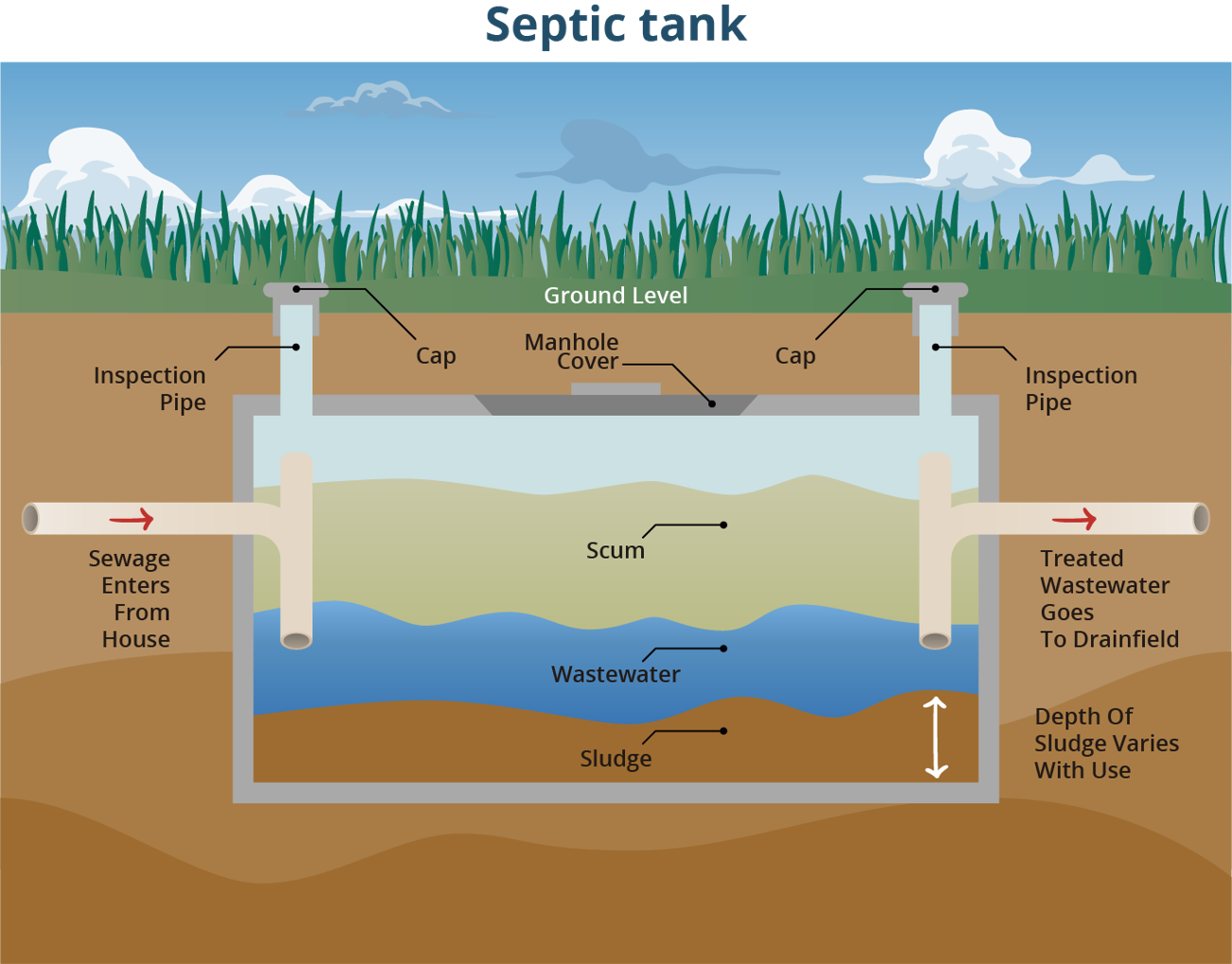
Septic tank odors arise from the breakdown of organic waste within the system. As bacteria decompose these materials, they release gases, including hydrogen sulfide (responsible for the “rotten egg†smell) and methane (a flammable gas). These gases can escape through vents, pipes, or even the ground, creating an unpleasant odor.
Types of Septic Tank Odor Eliminators
Septic tank odor eliminators are designed to neutralize or mask the foul smells associated with a septic system. They come in various forms, each offering a unique approach to odor control. Here are some common types:
1. Biological Treatments
These products contain beneficial bacteria and enzymes that break down organic waste more efficiently, reducing the production of odor-causing gases. These treatments are generally safe for your septic system and can contribute to its overall health.
2. Chemical Odor Neutralizers
Chemical neutralizers use compounds that react with odor-causing molecules, transforming them into less odorous substances. These products often come in liquid or granular forms and can be added directly to the septic tank.
3. Air Fresheners and Deodorizers
These products focus on masking the odor rather than eliminating its source. They typically contain fragrances that temporarily cover up the unpleasant smell. They are available in various forms, including sprays, gels, and plugins.
Factors Affecting Septic Tank Odor Eliminator Effectiveness
The success of septic tank odor eliminators depends on several factors, including:
1. Septic System Condition
A well-maintained septic system is crucial for odor control. Regular pumping, proper waste disposal, and avoiding harsh chemicals can help prevent odors from developing.
2. Product Quality
Choosing high-quality odor eliminators from reputable brands is essential. Look for products specifically designed for septic systems and avoid those that may harm the beneficial bacteria in your system.
3. Usage Instructions
Following the manufacturer’s instructions diligently is vital. Using the correct dosage and frequency ensures optimal effectiveness and prevents potential harm to your septic system.
4. Environmental Factors
Climate and soil conditions can also affect odor control. In hot and humid weather, odors may be more pronounced, while well-drained soil can help dissipate gases.
Tips for Long-Term Freshness
Beyond choosing the right odor eliminator, there are several steps you can take to ensure long-term freshness and prevent odors from returning:
1. Regular Septic Tank Maintenance
Schedule regular septic tank pumping by a qualified professional. Pumping removes sludge and scum, preventing buildup and odor-causing gases. Aim to have your tank pumped every 3-5 years, depending on your system’s size and usage.
2. Proper Waste Disposal
Avoid flushing items that can clog your septic system, such as grease, oil, hair, and non-biodegradable wipes. These materials can create blockages and encourage odor production.
3. Water Conservation
Conserving water helps reduce the load on your septic system. Fix leaks promptly, take shorter showers, and consider water-efficient appliances.
4. Optimize Ventilation
Ensure proper ventilation in your septic system. A well-ventilated system allows gases to escape safely and prevents them from building up inside the tank and generating odors.
5. Avoid Harsh Chemicals
Avoid using harsh chemicals that can kill beneficial bacteria in your septic system. These chemicals can disrupt the breakdown process, increasing odor production.
6. Use a Septic Tank Treatment Regularly
Use a biological treatment or a septic tank odor eliminator on a regular basis, following the manufacturer's instructions. This helps maintain a healthy balance of bacteria and enzymes, preventing odor buildup.
Conclusion
Septic tank odor eliminators provide a valuable tool for managing and controlling unpleasant smells associated with septic systems. Choosing the right product, following usage instructions, and implementing preventive maintenance practices are essential for long-term freshness. Remember that a well-maintained septic system is crucial for odor control and overall system health. By taking proactive steps, you can ensure a clean and comfortable environment for your home and minimize the risk of embarrassing odors.

No comments:
Post a Comment
Note: Only a member of this blog may post a comment.