Saturday, November 16, 2024
Septic Tank Odor in the House: Why It’s Dangerous and How to Fix It
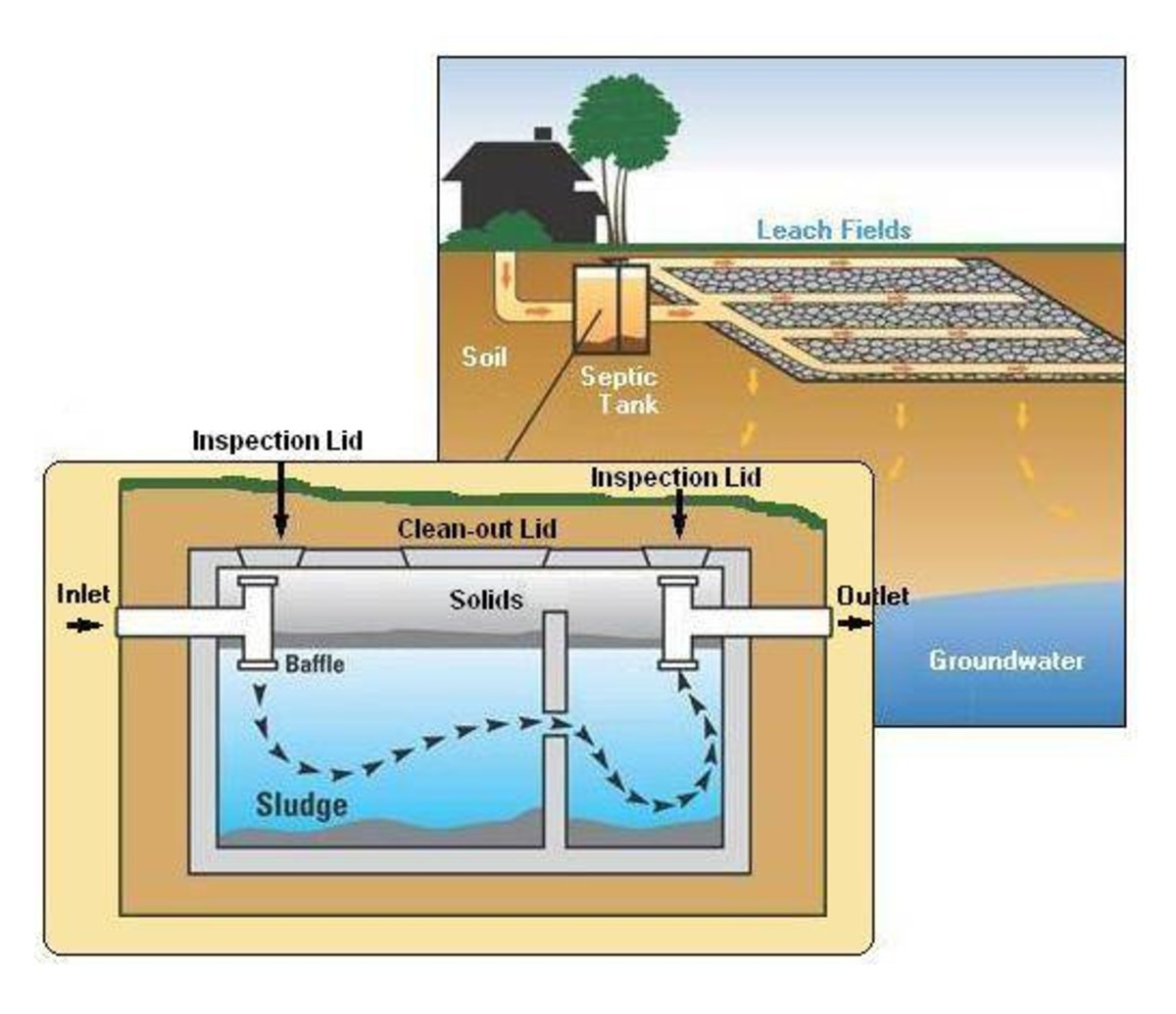
Septic Tank Odor in the House: Why It’s Dangerous and How to Fix It
The presence of septic tank odor in your house can be a serious issue, posing both health risks and potential damage to your property. The odor itself is an unpleasant experience, but the underlying causes can be far more worrisome. This article will delve into the dangers associated with septic tank odor in your home, explore the potential causes, and provide a comprehensive guide to fixing the problem.
The Dangers of Septic Tank Odor
The foul smell emanating from your septic system is often a warning sign of underlying issues that can lead to severe consequences. These dangers can be categorized into health risks, environmental hazards, and property damage.
Health Risks
The gases released from a malfunctioning septic system can be harmful to your health. Here are some key concerns:
- Hydrogen Sulfide: This gas, commonly known as "rotten egg" gas, can be highly toxic in high concentrations. It can irritate the respiratory system, causing coughing, shortness of breath, and headaches. In severe cases, it can even lead to unconsciousness and death.
- Methane: This flammable gas can be a fire hazard and can cause respiratory problems in high concentrations.
- Ammonia: This pungent gas can irritate the eyes, nose, and throat. Prolonged exposure can damage the respiratory system and contribute to lung diseases.
- Bacteria and Viruses: Septic systems harbor various bacteria and viruses that can cause gastrointestinal illnesses and other infections, especially if sewage backs up into your home.
Environmental Hazards
A malfunctioning septic system can pollute the surrounding environment, affecting both groundwater and surface water sources. This can lead to:
- Contamination of Groundwater: If sewage leaks from the septic tank or leach field, it can seep into the groundwater, contaminating it with harmful bacteria and pathogens.
- Surface Water Pollution: Sewage overflow can also pollute surface water sources like streams, rivers, and lakes, harming aquatic life and creating public health risks.
- Soil Contamination: Poorly functioning septic systems can contaminate the soil around the leach field, impacting the health of plants and potentially affecting local ecosystems.
Property Damage
Beyond health and environmental risks, septic tank odor can also lead to property damage. Here are some potential problems:
- Structural Damage: Sewage backup into the house can cause significant damage to floors, walls, and other structural components, leading to costly repairs.
- Mold Growth: Excessive moisture from sewage leaks can create ideal conditions for mold growth, which can trigger allergies and respiratory problems.
- Reduced Property Value: A malfunctioning septic system can significantly decrease the value of your property, making it harder to sell or refinance.
Causes of Septic Tank Odor
Understanding the causes of septic tank odor is crucial for taking appropriate action. Here are some common factors:
Full Septic Tank
When a septic tank is full, the solid waste cannot decompose properly, leading to an increase in bacteria and the release of unpleasant gases. A full tank can also lead to sewage backup.
Clogged Drainfield
The drainfield is responsible for filtering wastewater. When it becomes clogged with debris or sludge, it can't effectively treat the wastewater, leading to odors and potential sewage backup.
Broken Septic Tank Components
Cracks, leaks, or broken components in the septic tank or drainfield can allow sewage to escape, leading to odors and environmental contamination.
Poor Ventilation
Septic tanks should have proper ventilation systems to release gases safely. If the ventilation is inadequate or blocked, gases can escape into your house, causing odors.
Overuse
Excessive water usage can overload the septic system, making it harder to treat wastewater effectively and leading to odors.
Improper Maintenance
Lack of regular maintenance, including pumping the septic tank and inspecting the drainfield, can contribute to problems like clogs and leaks, ultimately leading to odors.
How to Fix Septic Tank Odor
Tackling septic tank odor requires a combination of immediate action to address the immediate problem and long-term strategies to prevent future occurrences.
Immediate Solutions
- Identify the Source: Pinpointing the exact location of the odor is essential. This might involve checking for leaks, cracks, or blockages in the septic tank and drainfield.
- Ventilate the Area: Open windows and doors to air out the affected areas and dilute the concentration of gases.
- Use an Odor Neutralizer: Commercial odor neutralizers can temporarily mask the smell, but they don't address the underlying cause.
- Call a Professional: If the odor persists or you suspect a serious problem, it's crucial to call a qualified septic system professional. They can diagnose the issue and recommend appropriate solutions.
Long-Term Solutions
- Pump the Septic Tank: Regular pumping, ideally every 3-5 years, is essential to remove accumulated solids and prevent overflow.
- Inspect and Maintain the Drainfield: Periodic inspection and maintenance of the drainfield can help identify and address problems like clogs or leaks.
- Improve Ventilation: Ensure adequate ventilation for the septic tank and drainfield. This might involve adding vents or checking for blockage.
- Reduce Water Usage: Implementing water-saving practices like low-flow showerheads and toilets can reduce the load on the septic system.
- Proper Waste Disposal: Avoid flushing items like wipes, paper towels, and grease down the toilet, as these can clog the system.
Prevention is Key
Preventing septic tank odor is the best approach. Here are some proactive measures you can take:
- Regular Pumping: Stick to a schedule for pumping the septic tank based on its size and the number of people living in the house.
- Prevent Clogs: Avoid flushing items that can clog the system, and consider using septic-safe alternatives.
- Monitor Water Usage: Be mindful of your water consumption and look for leaks that can strain the system.
- Inspect Regularly: Regularly inspect the septic tank and drainfield for any signs of damage or problems.
- Maintain Proper Ventilation: Ensure the ventilation system is functioning correctly and free from blockages.
Conclusion
Septic tank odor in your house is a serious issue that shouldn't be ignored. It poses health risks, environmental hazards, and potential property damage. By understanding the causes and taking proactive measures, you can prevent odors and ensure the long-term health of your septic system. If you suspect a problem, don't hesitate to contact a qualified septic system professional for diagnosis and repairs.

No comments:
Post a Comment
Note: Only a member of this blog may post a comment.