Tuesday, November 12, 2024
How to Remove Septic Tank Odors in Cold Climates
Conquering Septic Tank Odors in Cold Climates: A Practical Guide
Living in a cold climate with a septic system can be a bit of a balancing act. You've got the cozy feeling of a warm home, but sometimes, that cozy feeling gets overshadowed by an unpleasant odor. Those septic tank smells can be a real downer, especially when the temperatures plummet and the ground freezes solid. But don't despair! This guide is here to help you tackle those lingering septic tank odors and reclaim your home's freshness.
Understanding the Cold-Weather Challenge
The problem isn't just the cold air itself, but the way it affects your septic system. Think of it like this: during the warmer months, your septic tank and leach field rely on the natural process of bacteria breaking down waste. This process requires a certain temperature range to function optimally. When temperatures drop, those bacteria slow down, and the breakdown process takes longer. This can lead to a buildup of waste and gases, which can find their way to the surface, making their presence known with that unwelcome odor.
First Steps: Addressing the Root of the Problem
Before we start focusing on eliminating the odor, let's talk about addressing the underlying issue. Sometimes, a septic tank odor is a sign that your system needs a little TLC. Here are a few things to consider:
1. Pumping the Tank
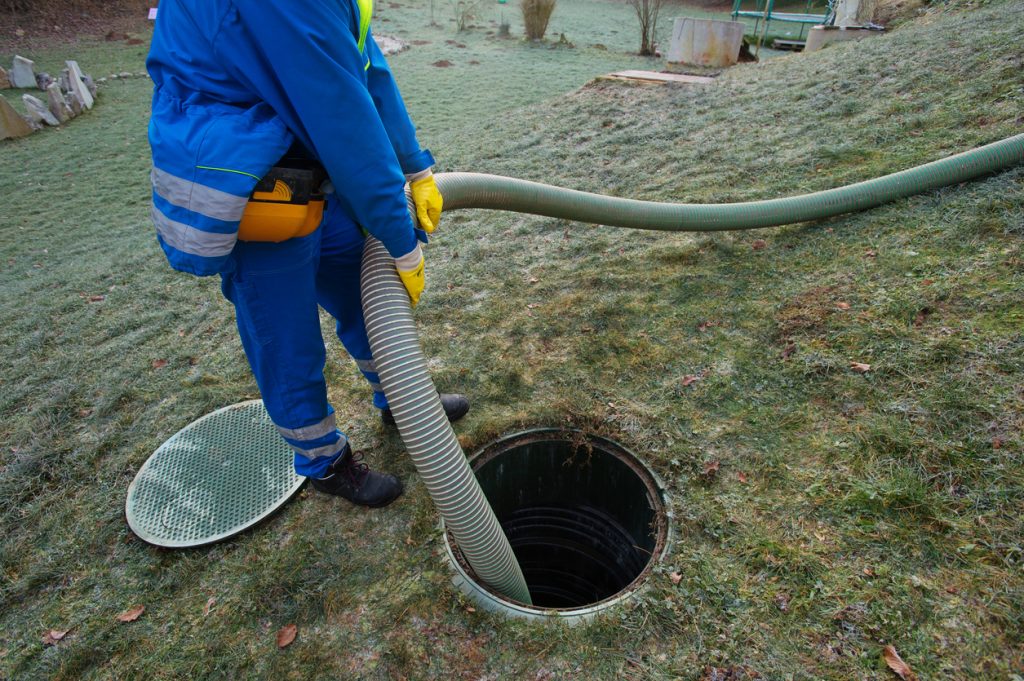
A full septic tank is a recipe for trouble. Over time, sludge and solids accumulate at the bottom of the tank. If the tank gets too full, it can put pressure on the leach field, leading to blockages and unpleasant smells. It's crucial to have your tank pumped regularly, typically every 3-5 years depending on tank size and household usage. The best practice is to schedule a professional pumping service in the fall, before the ground freezes. This will help ensure your system is in good shape for the winter months.
2. Inspecting the Leach Field
The leach field is responsible for filtering wastewater from the tank. If the leach field is damaged or overloaded, it can cause backflow and result in odors. Look for signs of standing water or pooling in the leach field area. If you suspect a problem, it's best to call a qualified septic system technician. They can assess the situation and recommend the necessary repairs.
3. Avoiding Common Culprits
Certain household products can wreak havoc on your septic system. It's best to avoid using:
These substances can kill the beneficial bacteria in your septic tank and disrupt its natural process. If you're not sure what to use, always check the product label for septic system safety information.
Home Remedies for Septic Tank Odor Control
Once you've taken care of any underlying problems, it's time to tackle the odor itself. Here are some tried-and-true home remedies that can help freshen the air:
1. Baking Soda and Vinegar
This classic cleaning duo can work wonders! Pour a cup of baking soda down the drain, followed by a cup of vinegar. The fizzing action helps to break down odors and loosen any clogs. Let the mixture sit for about 30 minutes, then flush with hot water.
2. The Power of Essential Oils
Certain essential oils, like lemon, eucalyptus, and peppermint, have strong natural fragrances that can mask unpleasant odors. Mix a few drops of your favorite essential oil with a cup of baking soda and sprinkle the mixture down the drain. You can also add a few drops of essential oil to a spray bottle filled with water and spritz the air around your home.
3. Salt and Baking Soda
This simple mixture can help absorb odors and freshen the air. Combine equal parts salt and baking soda in a small bowl and place it near the source of the odor. You can also sprinkle a little of this mixture down the drain.
4. Coffee Grounds
Coffee grounds are known for their odor-absorbing properties. Sprinkle a handful of used coffee grounds down the drain or place a bowl of coffee grounds near the source of the smell.
5. Activated Charcoal
Activated charcoal is a natural odor absorber. Place a small bowl of activated charcoal near the source of the odor or sprinkle a layer on the bottom of your garbage can.
Preventing Odors in the Future
Here are some tips to help keep your septic system running smoothly and prevent odors in the future:
When to Call a Professional
While most septic tank odor problems can be solved with simple home remedies and preventative measures, some situations require the expertise of a professional. If you notice any of the following, it's best to contact a qualified septic system technician:
Keeping your septic system healthy and odor-free can be achieved through regular maintenance, careful usage, and a few simple home remedies. By addressing the underlying causes and taking proactive steps, you can enjoy a fresh-smelling home throughout the winter months and beyond!

No comments:
Post a Comment
Note: Only a member of this blog may post a comment.