Tuesday, November 19, 2024
Top Tips for Managing Septic Tank Odor Problems
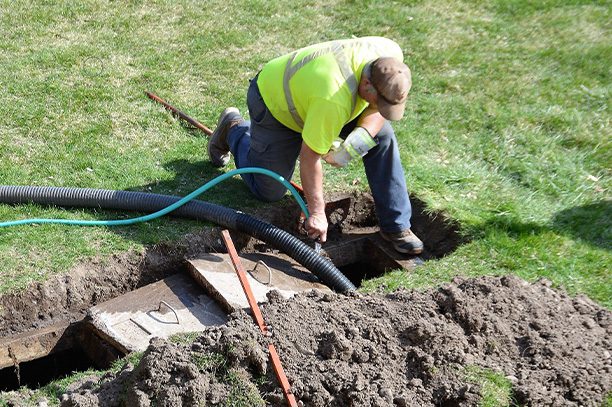
Banishing Bad Smells: Your Guide to Conquering Septic Tank Odors
That unmistakable, unpleasant smell wafting from your yard? It's a clear sign your septic system needs attention. Septic tank odor problems aren't just unpleasant; they can indicate underlying issues that, if left unaddressed, can lead to costly repairs and environmental concerns. Fortunately, with proactive maintenance and a few clever strategies, you can effectively banish those bad smells and keep your septic system running smoothly. This guide equips you with the knowledge and tools to reclaim fresh air and peace of mind.
Understanding the Source of the Stench
Before you tackle the odor, understand its origin. Septic tank smells usually stem from gases escaping the system. These gases, primarily hydrogen sulfide, are a byproduct of bacterial decomposition of waste. Leaks in the tank, clogged drain fields, or insufficient ventilation can all allow these gases to escape into your yard and home. Identifying the source pinpoints the solution. A subtle, intermittent smell might suggest a minor issue like a slow drain, whereas a strong, persistent odor warrants immediate professional attention. Don't delay; a strong smell signals a potentially serious problem that could escalate quickly.
Proactive Measures to Prevent Septic Tank Odors
Prevention is always better than cure. Regular maintenance significantly reduces the chances of unpleasant odors developing. Think of it as preventative medicine for your septic system. Regular pumping prevents sludge buildup, which is a major contributor to gas production and backups.
Schedule Regular Pumping
Pumping your septic tank every 3-5 years (or more frequently, depending on household size and usage) is crucial. This prevents the buildup of solids and liquids, ensuring efficient decomposition and minimizing the release of foul-smelling gases. A professional inspection will also uncover potential problems early on, avoiding costly repairs down the line.
Limit Harsh Chemicals
Avoid pouring harsh chemicals down your drains. These chemicals can disrupt the delicate bacterial balance within the septic tank, inhibiting the natural decomposition process and leading to increased gas production. Opt for environmentally friendly cleaning products instead. Your septic system will thank you, and so will the environment.
Maintain Your Drain Field
Proper landscaping around your drain field is vital. Avoid planting heavy trees or shrubs whose roots could damage the drain lines. Keep the area free from heavy traffic to prevent compaction and ensure proper drainage. Regularly check for signs of saturation or standing water, which could be indicators of a problem.
Addressing Existing Septic Tank Odor Problems
If you're already battling unpleasant smells, don't panic. There are steps you can take to mitigate the odor while determining the underlying cause. These quick fixes might provide temporary relief while you schedule professional help.
Improve Ventilation
Ensure your septic tank's vent pipe is clear and unobstructed. A clogged vent pipe traps gases, forcing them to find alternative escape routes â€" often through your yard or home. Check the vent pipe regularly for blockages and clean it if necessary. Consider adding an extension to direct the exhaust away from living areas.
Use Bacterial Treatments
Septic tank bacterial treatments contain beneficial bacteria that aid in waste decomposition. These bacteria help break down solids and reduce odor-causing gases. While these treatments are not a substitute for professional pumping, they can offer a temporary solution and improve overall septic system health.
Call a Professional
If the odor persists despite your efforts, call a qualified septic system professional immediately. They possess the expertise and equipment to diagnose the issue accurately, whether it's a leak, a clogged drain field, or another underlying problem. Early intervention prevents minor problems from escalating into costly and extensive repairs.
By following these tips and acting proactively, you can effectively manage and eliminate septic tank odor problems, ensuring a fresh-smelling yard and a smoothly functioning septic system for years to come.

No comments:
Post a Comment
Note: Only a member of this blog may post a comment.