Thursday, November 14, 2024
Best Tips for Keeping Your Septic Tank Clean and Healthy
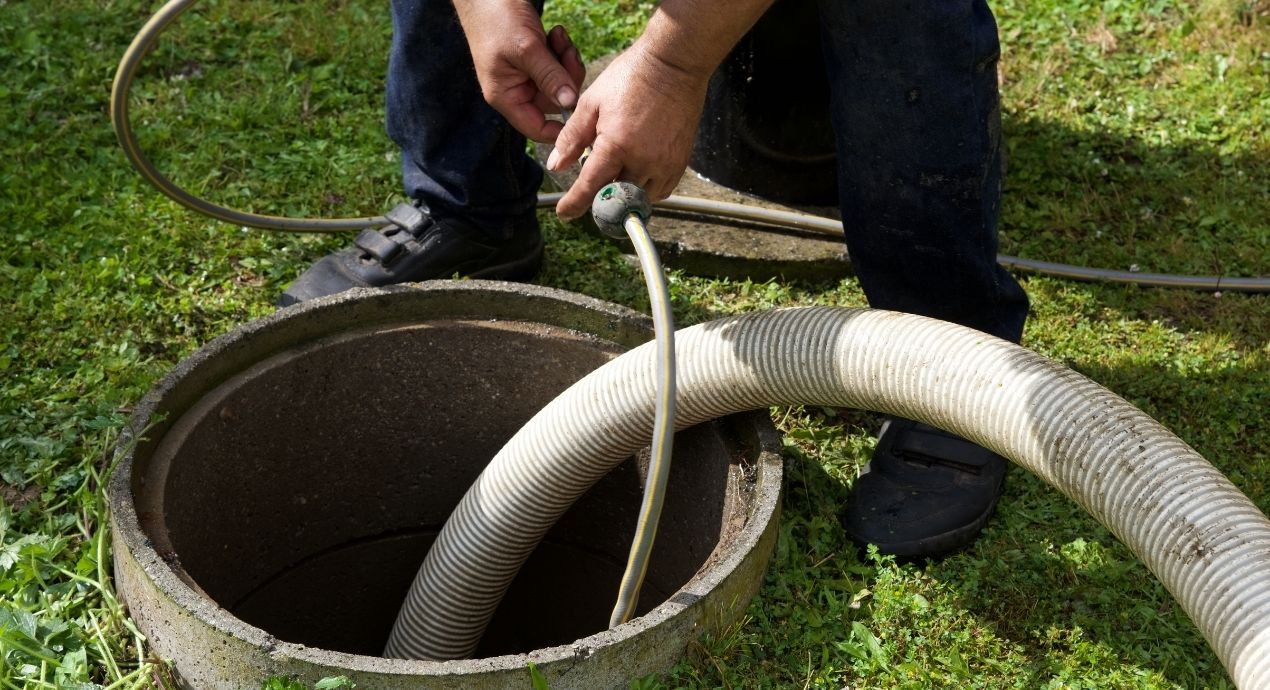
The Ultimate Guide to Keeping Your Septic Tank Clean and Healthy
Owning a home with a septic system comes with its own set of responsibilities. Keeping your septic tank clean and healthy is essential for its longevity and the smooth operation of your plumbing. A well-maintained septic system will prevent costly repairs, unpleasant odors, and environmental issues. Follow these tips to ensure your septic system stays in tip-top shape for years to come.
Understanding Your Septic System
Before diving into maintenance tips, it's crucial to understand how your septic system works. Your system consists of a septic tank and a drain field. Wastewater from your home flows into the tank, where solids settle to the bottom, forming sludge. Liquids are then discharged into the drain field, where they are filtered and slowly absorbed into the soil. Regular maintenance ensures the efficient separation of solids and liquids, preventing clogs and backups.
Essential Tips for a Healthy Septic Tank
1. Pump Regularly
Pumping your septic tank is a vital part of its maintenance. Over time, sludge and scum accumulate in the tank, reducing its capacity and impacting its efficiency. Aim to pump your septic tank every 3-5 years, depending on your household size and water usage. You can schedule a professional pumping service or contact your local municipality for recommendations.
2. Avoid Harsh Chemicals
Avoid using harsh chemicals like bleach, drain cleaners, and antibacterial soaps, as these can disrupt the natural bacteria in your septic tank that help break down waste. Opt for eco-friendly cleaning products and septic tank additives that are safe for your system.
3. Conserve Water
Minimize water usage to reduce the amount of wastewater flowing into your septic system. Take shorter showers, fix leaky faucets, and use water-efficient appliances. By conserving water, you reduce the strain on your tank and prolong its lifespan.
4. Dispose of Grease and Fats Properly
Grease and fats can solidify in your septic tank, creating blockages and hindering the efficient breakdown of waste. Avoid pouring grease down the drain. Instead, let it cool and dispose of it in the trash.
5. Avoid Flushing Non-Biodegradables
Never flush anything that is not biodegradable down the toilet, including:
These items can clog your pipes and disrupt the normal functioning of your septic system.
6. Maintain Your Drain Field
The drain field plays a crucial role in filtering wastewater and allowing it to seep into the ground. Avoid driving or parking vehicles over the drain field, as this can compact the soil and hinder drainage. Additionally, ensure there are no obstructions blocking the drain field, such as trees or shrubs.
7. Inspect Regularly
Regularly check your septic system for signs of trouble. Look out for:
If you notice any of these signs, contact a qualified septic tank professional immediately.
Conclusion
By following these simple yet effective tips, you can ensure your septic system remains clean and healthy for years to come. Remember, a well-maintained septic system means a cleaner home, fewer headaches, and a more environmentally friendly approach to wastewater management.

No comments:
Post a Comment
Note: Only a member of this blog may post a comment.