Sunday, November 17, 2024
How to Prevent Septic Smell in Your House Before It Starts
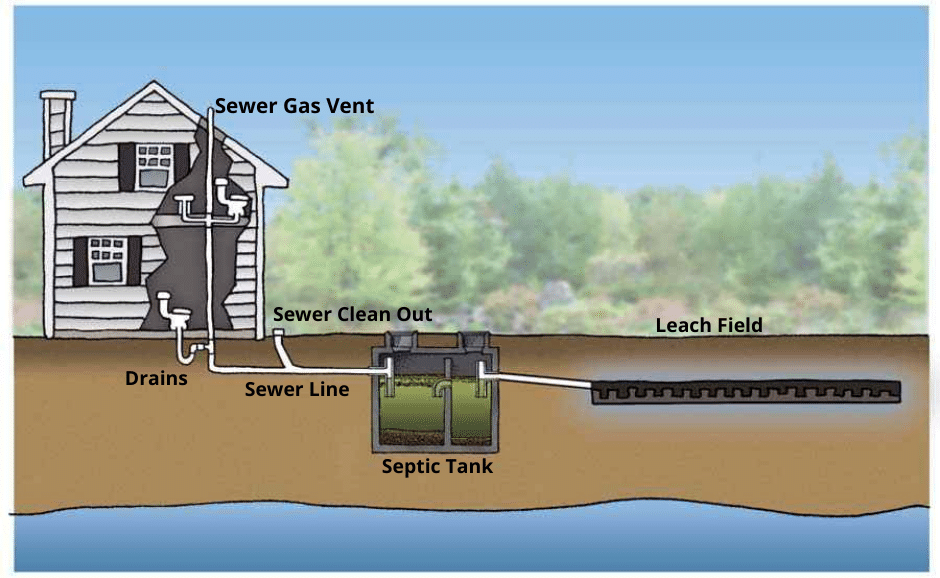
Banishing Septic Odors: Preventing That Unpleasant Smell Before It Starts
Imagine this: You walk into your home, expecting the comforting scent of fresh air, only to be met with a wave of unpleasantness. A foul, sewage-like odor permeates the house, a clear sign of a septic system gone awry. This unwelcome guest can quickly transform your haven into a source of embarrassment and discomfort. But don't despair! By understanding the root causes of septic smells and implementing proactive measures, you can prevent this unpleasant scenario from ever occurring.
Understanding the Source of the Stink
Septic systems, while designed to efficiently handle wastewater, can become breeding grounds for odor-producing bacteria if not properly maintained. The culprit behind that distinctive smell is usually hydrogen sulfide gas, released by anaerobic bacteria that thrive in the absence of oxygen. These bacteria break down waste in your septic tank, and if they are not adequately controlled, their byproducts can find their way into your home through various means.
Proactive Measures to Prevent Septic Odors
While a septic smell can be an indication of a serious issue, it's often a symptom of simple negligence. By taking proactive steps, you can significantly reduce the risk of unpleasant odors entering your home.
Regular Pumping and Maintenance
The cornerstone of septic system maintenance is regular pumping. This essential task removes accumulated sludge and solids from your tank, ensuring optimal performance. A well-maintained septic system is less likely to produce offensive odors.
Wastewater Management: What Goes Down the Drain Matters
Your septic system is not a garbage disposal. Avoid flushing anything other than human waste and toilet paper down the drain.
Maximize Efficiency: Optimize Your System's Function
A well-functioning septic system is less prone to odor issues.
A Little Prevention Goes a Long Way
The scent of your home should be a welcome aroma, not a reminder of a malfunctioning septic system. By proactively maintaining your system, making conscious decisions about what goes down the drain, and optimizing its efficiency, you can enjoy the comfort of your home without the worry of offensive odors.

The Health Hazards of Septic Tank Smells in Your Home and How to Avoid Them

The Health Hazards of Septic Tank Smells in Your Home and How to Avoid Them
Let’s be honest, no one wants to live with a stinky house. But when that smell is coming from your septic system, it’s not just an unpleasant odor â€" it could be a sign of serious problems. Septic tank smells are more than just a nuisance; they can actually pose health risks to you and your family. That's why understanding the causes of these smells and how to prevent them is crucial.
What Causes Septic Tank Smells?
The most common culprits behind those unpleasant aromas are gases produced during the breakdown of waste in your septic tank. These gases, like hydrogen sulfide and methane, can escape through cracks in the tank or vent pipe, finding their way into your home.
Common Reasons for Septic Tank Smells:
- A Full Tank: When your septic tank is overloaded, it can't process waste efficiently. This leads to a buildup of solids, causing a foul odor to seep into your home.
- Clogged Drain Field: If your drain field, which filters the wastewater, gets clogged, the treated water can't properly drain, creating pressure that forces gases back into your home.
- Broken Vent Pipe: The vent pipe on your septic tank allows gases to escape safely into the atmosphere. If it's damaged or blocked, the gases will find another way out, often into your home.
- Cracked Tank: A cracked septic tank can let out unpleasant odors and even allow raw sewage to seep into the surrounding soil. This is a serious problem that needs immediate attention.
- Improper Maintenance: Neglecting regular septic tank maintenance can lead to a build-up of solids and other issues, resulting in those unwelcome smells.
Health Risks Associated with Septic Tank Smells
While the odor itself is pretty unpleasant, the real danger lies in the gases released from your septic system. These gases can contain harmful toxins that can impact your health, especially if you’re exposed to them over long periods.
Potential Health Effects:
- Respiratory Problems: The gases from your septic system can irritate the lungs and airways, leading to coughing, wheezing, and difficulty breathing. Individuals with asthma or other respiratory conditions are particularly susceptible.
- Headaches and Dizziness: These gases can cause headaches and dizziness, especially when present in high concentrations.
- Skin Irritation: Prolonged exposure to some of these gases can irritate the skin, leading to rashes and other skin problems.
- Nausea and Vomiting: In some cases, exposure to high levels of these gases can trigger nausea and vomiting.
How to Prevent Septic Tank Smells
The best way to avoid unpleasant odors from your septic system is to take proactive steps to maintain it properly. Here are some essential tips:
Maintenance is Key:
- Regular Inspections: Schedule regular inspections by a qualified septic professional. They can assess the health of your system, identify potential problems early on, and recommend any necessary repairs.
- Pumping: Get your septic tank pumped out every 3-5 years (or more often if you have a large household). This will remove accumulated solids and prevent overloading.
- Avoid Flushing Harmful Items: Don’t flush anything that’s not biodegradable, like wipes, sanitary products, or medications. These items can clog your system and lead to backups.
- Minimize Water Usage: Be mindful of your water usage to minimize the amount of wastewater going into your septic system. Take shorter showers, fix leaky faucets, and consider using water-efficient appliances.
Additional Tips:
- Inspect the Vent Pipe: Make sure the vent pipe is clear and unobstructed. Check for any cracks or damage that could allow gases to escape.
- Seal Drains: Ensure all floor drains in your basement or other areas near your septic system are properly sealed to prevent odors from entering your home.
- Use Odor-Neutralizing Products: There are a variety of odor-neutralizing products available that can help mask unpleasant smells from your septic system. However, remember that these products are only temporary solutions; proper maintenance is still crucial.
What to Do if You Smell Septic Tank Odor
If you notice a strong septic smell in your home, it's important to take action. Don't ignore it, as it could be a sign of a bigger problem.
- Check Your Septic System: Start by inspecting your septic tank and drain field for any visible signs of damage or blockages.
- Contact a Septic Professional: If you suspect an issue with your septic system, contact a licensed and experienced septic professional as soon as possible. They can diagnose the problem and recommend appropriate solutions.
- Address the Issue Promptly: Don't delay addressing the problem. Ignoring it can lead to more serious issues, which can be costly and time-consuming to repair.
Commonly Asked Questions
Here are some common questions people have about septic tank smells:
- What if I smell gas? If you suspect a gas leak, contact a qualified plumber or gas company immediately. Gas leaks are extremely dangerous and require prompt attention.
- Why does my septic smell worse in the summer? Higher temperatures can increase the rate of decomposition in your septic tank, leading to more gases being released.
- Is there a way to mask the smell? While odor-neutralizing products can temporarily mask the smell, they don’t address the underlying problem. It’s important to address the source of the odor through proper maintenance.
- Can I use bleach in my septic tank to get rid of the smell? No, bleach can actually damage your septic system and make the problem worse.
- How do I know if I need to pump my septic tank? A professional can inspect your tank and recommend when it needs pumping based on your usage and system size. A good rule of thumb is to have it pumped every 3-5 years, but this can vary.
Remember, a smelly septic system is a serious issue that shouldn’t be ignored. Regular maintenance, prompt repairs, and proper use of your system can help prevent unpleasant odors and ensure a safe and healthy environment for your family.
How to Deal with New Septic Tank Odors Until They Disappear

How to Deal with New Septic Tank Odors Until They Disappear
New septic tank odors are a common problem that can be frustrating to deal with. While it's normal for a new septic tank to have some odor initially, persistent or strong smells can indicate underlying issues that require attention.
This guide provides practical solutions and strategies to tackle new septic tank odors effectively, ensuring a comfortable and odor-free environment.
Understanding the Cause of Septic Tank Odors
Septic tank odors arise from the decomposition of organic waste within the tank. Bacteria break down waste, releasing gases that can escape through vents or cracks in the system. These gases often have a characteristic foul odor.
Several factors can contribute to new septic tank odors:
- Incomplete Decomposition: Newly installed tanks may require time for bacteria to establish a stable balance, leading to incomplete waste decomposition and odor production.
- Improper Installation or Design: Faulty installation, incorrect venting, or insufficient tank capacity can create conditions conducive to odor generation.
- Overloading: Using too much water or disposing of inappropriate materials can overload the septic tank, leading to backups and odor issues.
- System Age and Maintenance: Older tanks may have worn-out components, such as the lid or vents, allowing odors to escape. Regular maintenance is crucial to prevent odor buildup.
Effective Strategies for Eliminating New Septic Tank Odors
Addressing new septic tank odors involves a combination of preventative measures, odor-neutralizing techniques, and professional intervention when necessary.
Preventative Measures
Implementing these preventative measures can minimize the likelihood of odor development and ensure the long-term health of your septic system:
- Avoid Flushing Inappropriate Items: Never flush items like grease, oil, food scraps, medications, wipes, or feminine hygiene products down the drain. These materials can disrupt the bacterial balance and cause blockages. Stick to flushing only toilet paper and human waste.
- Limit Water Usage: Conserve water by taking shorter showers, fixing leaks promptly, and using low-flow appliances. This helps reduce the strain on your septic system and minimizes odor production.
- Maintain Proper Septic Tank Distance: Ensure sufficient spacing between your house, the septic tank, and the drain field. Avoid planting trees or shrubs near the system, as their roots can damage pipes and cause blockages.
- Schedule Regular Inspections and Pumping: Have your septic tank inspected and pumped every 2-3 years by a licensed professional. This ensures proper functionality, removes accumulated sludge, and minimizes odor buildup.
Odor-Neutralizing Techniques
These methods can help neutralize existing odors and create a fresher environment:
- Natural Odor Absorbers: Place bowls of activated charcoal, baking soda, or coffee grounds around the house to absorb odor molecules. These natural absorbers can be effective in reducing unpleasant smells.
- Ventilate the Area: Open windows and doors to allow fresh air to circulate and dissipate odors. Use fans to improve ventilation and accelerate the odor removal process.
- Commercial Odor Neutralizers: Use commercially available septic tank odor neutralizers that contain enzymes or bacteria to break down waste and reduce odor production. Follow the instructions provided by the manufacturer.
- Home Remedies: Simple solutions like boiling water with vinegar or lemon juice can temporarily mask odors. However, these methods address only the symptom and do not address the underlying cause of the problem.
Professional Intervention
If home remedies and preventative measures fail to eliminate the odor, it's time to call a professional septic service. A qualified technician can assess the situation and identify any underlying problems that may be causing the odors. They can:
- Inspect the System: Conduct a thorough inspection of the septic tank, drain field, and vent system to identify potential issues like leaks, blockages, or improper installation.
- Perform Repairs or Modifications: Address any identified problems, such as fixing leaks, replacing damaged components, or adjusting the system design to improve performance and reduce odors.
- Pump the Tank: Remove accumulated sludge and solids to improve the tank's efficiency and reduce odor production. Regular pumping is essential for a well-functioning septic system.
Understanding When to Contact a Professional
It's advisable to contact a professional septic service if you notice any of the following signs:
- Persistent Odors: If odors persist despite using odor-neutralizing techniques, it indicates a potential problem that requires professional attention.
- Changes in Drainage: Slow-draining sinks, tubs, or toilets are often a sign of a septic system blockage or malfunction. Call a professional promptly to prevent further damage.
- Visible Waste in the System: If you see waste surfacing in your yard or notice a sewage-like smell near the drain field, it's a serious issue requiring immediate professional help.
- Signs of System Failure: A gurgling sound in pipes, a wet area near the drain field, or a noticeable dip in your yard may indicate a failing septic system, requiring professional evaluation and repair.
Conclusion
New septic tank odors can be a nuisance, but understanding the causes and implementing effective solutions can alleviate the problem. By following preventative measures, employing odor-neutralizing techniques, and seeking professional assistance when necessary, you can ensure a comfortable and odor-free living environment. Regular maintenance and prompt action are crucial for maintaining the health and efficiency of your septic system.
Saturday, November 16, 2024
How to Reduce Septic Tank Odors in Your Backyard

How to Banish Those Pesky Septic Tank Odors From Your Backyard
Let's face it, no one wants to be greeted by a pungent, sewage-like aroma when stepping into their backyard. That's why you're here, right? Dealing with septic tank odors can be a real headache, but don't worry, you're not alone. With a little know-how and some elbow grease, you can banish those unpleasant smells and get back to enjoying your outdoor space.
First things first, let's understand why those odors arise. It all boils down to the bacteria in your septic tank. These hardworking little critters break down waste, but sometimes they produce gases that can escape and permeate your yard. The key is to manage those gases and prevent them from becoming a nuisance.
Understanding the Sources of Septic Tank Odors
Before we dive into solutions, let's pin down where those odors are coming from. There are a few common culprits:
Leaky Septic Tank or Drainfield
This is the most obvious culprit. If your septic tank or drainfield has cracks or leaks, those gases will escape directly into the surrounding soil and air.
Overloaded Septic Tank
Just like a garbage can, your septic tank can only hold so much. If you're constantly pushing the limits of its capacity, the bacteria might be working overtime and producing more gases than usual.
Clogged Drainfield
Your drainfield is responsible for filtering the treated wastewater. If it becomes clogged, the wastewater can back up into the tank, causing the bacteria to work harder and release more gases.
Venting Issues
Every septic system should have a vent pipe that releases gases to the atmosphere. If this pipe is blocked or damaged, the gases will find other ways to escape, like through your backyard.
Prevention is Key
The best approach to dealing with septic tank odors is to prevent them from happening in the first place. Here are some preventive measures:
Regular Pumping and Maintenance
Get your septic tank pumped out every 3-5 years, or sooner if you have a large family or use a lot of water. This ensures the tank isn't overloaded. Don't forget about routine maintenance, like checking for leaks and making sure the vent pipe is clear.
Avoid Flushing Troublesome Items
Think of your septic tank like a delicate ecosystem. Avoid flushing things that can disrupt it, like:
- Flushing wipes (even those labeled "flushable"). They don't break down like toilet paper
- Pouring grease or oil down the drain. It can solidify and clog your system
- Dumping large amounts of chemicals or medications down the drain
Be Mindful of Water Usage
Excessive water usage can put a strain on your septic system. Run the dishwasher and washing machine less often, and take shorter showers. Every little bit helps!
Tackling Existing Odors
If you're already dealing with those pesky smells, don't despair! Here are some strategies to tackle the situation:
Identify the Source
The first step is to figure out where those odors are coming from. Inspect your septic tank and drainfield for any visible leaks or cracks. If you can't find any issues, consider calling a septic professional to investigate further.
Deodorizers and Neutralizers
You can find septic tank deodorizers and neutralizers at your local hardware store or online. These products work by masking the odor or by introducing beneficial bacteria to break down the smelly compounds. While they offer temporary relief, they don't address the underlying issue.
Natural Solutions
Here are some natural solutions you can try:
- Baking Soda and Vinegar: Pour a mixture of baking soda and vinegar down your toilet and let it sit for a few hours. This helps to break down odors and deodorize your system.
- Citrus Peels: Toss citrus peels into your garbage disposal. The citrus oils can help to neutralize odors.
- Essential Oils: Adding a few drops of citrus or pine essential oil to your toilet bowl can help mask odors.
- Coffee Grounds: Sprinkle coffee grounds around the perimeter of your septic tank. The grounds help to absorb odors.
Landscaping Solutions
Planting certain plants around your septic tank can help to mask odors and even improve the health of your system. Consider planting:
- Lavender: This fragrant herb is known for its ability to mask odors
- Mint: This herb can help to neutralize odors and attract beneficial insects to your yard.
- Rosemary: This herb has a strong scent that can help to mask odors.
- Cattails: These plants are known for their ability to filter water and improve the health of your septic system.
When to Call a Professional
There are times when it's best to call a professional septic technician:
- If you suspect a leak or other problem with your septic system
- If your septic tank is overflowing or backing up
- If odors persist despite your efforts to eliminate them
- If you're experiencing slow drains or a decrease in water pressure
A professional can diagnose the issue, make repairs, and offer recommendations for future maintenance. It's better to address the problem early on before it becomes a bigger issue.
Commonly Asked Questions
Why is my septic tank smelling worse in the summer?
Warm temperatures can cause bacteria to break down waste faster, producing more gases. Summer heat also dries out the soil, allowing odors to escape more easily.
Can I use bleach to clean my septic tank?
Bleach can kill off beneficial bacteria in your septic tank, disrupting the breakdown process. It's best to avoid using bleach or other harsh chemicals in your system.
Is it okay to pour coffee grounds down the drain?
While some people recommend pouring coffee grounds down the drain, it's best to avoid this practice. Coffee grounds can clog your system, especially if you have a small drainfield.
Now that you have a better understanding of septic tank odors and how to manage them, you can enjoy a fresh-smelling backyard without worry. Remember, prevention is key, so keep those routine maintenance schedules in mind. And if you have any concerns, don't hesitate to call a professional. Your nose (and your neighbors!) will thank you.
Septic Tank Odor in the House: Why It’s Dangerous and How to Fix It
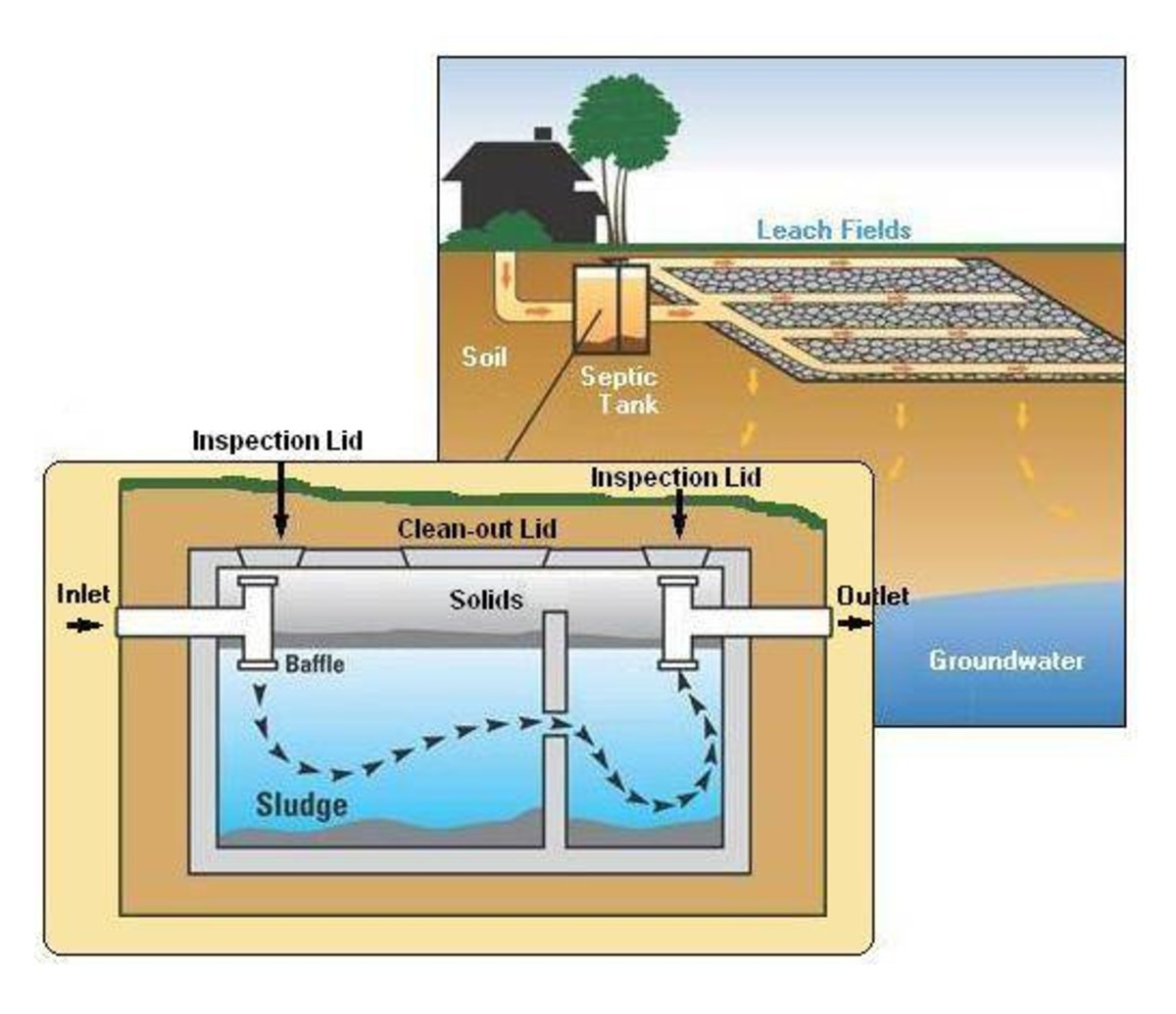
Septic Tank Odor in the House: Why It’s Dangerous and How to Fix It
The presence of septic tank odor in your house can be a serious issue, posing both health risks and potential damage to your property. The odor itself is an unpleasant experience, but the underlying causes can be far more worrisome. This article will delve into the dangers associated with septic tank odor in your home, explore the potential causes, and provide a comprehensive guide to fixing the problem.
The Dangers of Septic Tank Odor
The foul smell emanating from your septic system is often a warning sign of underlying issues that can lead to severe consequences. These dangers can be categorized into health risks, environmental hazards, and property damage.
Health Risks
The gases released from a malfunctioning septic system can be harmful to your health. Here are some key concerns:
- Hydrogen Sulfide: This gas, commonly known as "rotten egg" gas, can be highly toxic in high concentrations. It can irritate the respiratory system, causing coughing, shortness of breath, and headaches. In severe cases, it can even lead to unconsciousness and death.
- Methane: This flammable gas can be a fire hazard and can cause respiratory problems in high concentrations.
- Ammonia: This pungent gas can irritate the eyes, nose, and throat. Prolonged exposure can damage the respiratory system and contribute to lung diseases.
- Bacteria and Viruses: Septic systems harbor various bacteria and viruses that can cause gastrointestinal illnesses and other infections, especially if sewage backs up into your home.
Environmental Hazards
A malfunctioning septic system can pollute the surrounding environment, affecting both groundwater and surface water sources. This can lead to:
- Contamination of Groundwater: If sewage leaks from the septic tank or leach field, it can seep into the groundwater, contaminating it with harmful bacteria and pathogens.
- Surface Water Pollution: Sewage overflow can also pollute surface water sources like streams, rivers, and lakes, harming aquatic life and creating public health risks.
- Soil Contamination: Poorly functioning septic systems can contaminate the soil around the leach field, impacting the health of plants and potentially affecting local ecosystems.
Property Damage
Beyond health and environmental risks, septic tank odor can also lead to property damage. Here are some potential problems:
- Structural Damage: Sewage backup into the house can cause significant damage to floors, walls, and other structural components, leading to costly repairs.
- Mold Growth: Excessive moisture from sewage leaks can create ideal conditions for mold growth, which can trigger allergies and respiratory problems.
- Reduced Property Value: A malfunctioning septic system can significantly decrease the value of your property, making it harder to sell or refinance.
Causes of Septic Tank Odor
Understanding the causes of septic tank odor is crucial for taking appropriate action. Here are some common factors:
Full Septic Tank
When a septic tank is full, the solid waste cannot decompose properly, leading to an increase in bacteria and the release of unpleasant gases. A full tank can also lead to sewage backup.
Clogged Drainfield
The drainfield is responsible for filtering wastewater. When it becomes clogged with debris or sludge, it can't effectively treat the wastewater, leading to odors and potential sewage backup.
Broken Septic Tank Components
Cracks, leaks, or broken components in the septic tank or drainfield can allow sewage to escape, leading to odors and environmental contamination.
Poor Ventilation
Septic tanks should have proper ventilation systems to release gases safely. If the ventilation is inadequate or blocked, gases can escape into your house, causing odors.
Overuse
Excessive water usage can overload the septic system, making it harder to treat wastewater effectively and leading to odors.
Improper Maintenance
Lack of regular maintenance, including pumping the septic tank and inspecting the drainfield, can contribute to problems like clogs and leaks, ultimately leading to odors.
How to Fix Septic Tank Odor
Tackling septic tank odor requires a combination of immediate action to address the immediate problem and long-term strategies to prevent future occurrences.
Immediate Solutions
- Identify the Source: Pinpointing the exact location of the odor is essential. This might involve checking for leaks, cracks, or blockages in the septic tank and drainfield.
- Ventilate the Area: Open windows and doors to air out the affected areas and dilute the concentration of gases.
- Use an Odor Neutralizer: Commercial odor neutralizers can temporarily mask the smell, but they don't address the underlying cause.
- Call a Professional: If the odor persists or you suspect a serious problem, it's crucial to call a qualified septic system professional. They can diagnose the issue and recommend appropriate solutions.
Long-Term Solutions
- Pump the Septic Tank: Regular pumping, ideally every 3-5 years, is essential to remove accumulated solids and prevent overflow.
- Inspect and Maintain the Drainfield: Periodic inspection and maintenance of the drainfield can help identify and address problems like clogs or leaks.
- Improve Ventilation: Ensure adequate ventilation for the septic tank and drainfield. This might involve adding vents or checking for blockage.
- Reduce Water Usage: Implementing water-saving practices like low-flow showerheads and toilets can reduce the load on the septic system.
- Proper Waste Disposal: Avoid flushing items like wipes, paper towels, and grease down the toilet, as these can clog the system.
Prevention is Key
Preventing septic tank odor is the best approach. Here are some proactive measures you can take:
- Regular Pumping: Stick to a schedule for pumping the septic tank based on its size and the number of people living in the house.
- Prevent Clogs: Avoid flushing items that can clog the system, and consider using septic-safe alternatives.
- Monitor Water Usage: Be mindful of your water consumption and look for leaks that can strain the system.
- Inspect Regularly: Regularly inspect the septic tank and drainfield for any signs of damage or problems.
- Maintain Proper Ventilation: Ensure the ventilation system is functioning correctly and free from blockages.
Conclusion
Septic tank odor in your house is a serious issue that shouldn't be ignored. It poses health risks, environmental hazards, and potential property damage. By understanding the causes and taking proactive measures, you can prevent odors and ensure the long-term health of your septic system. If you suspect a problem, don't hesitate to contact a qualified septic system professional for diagnosis and repairs.
Why Does My New Septic Tank Smell and How to Fix It?
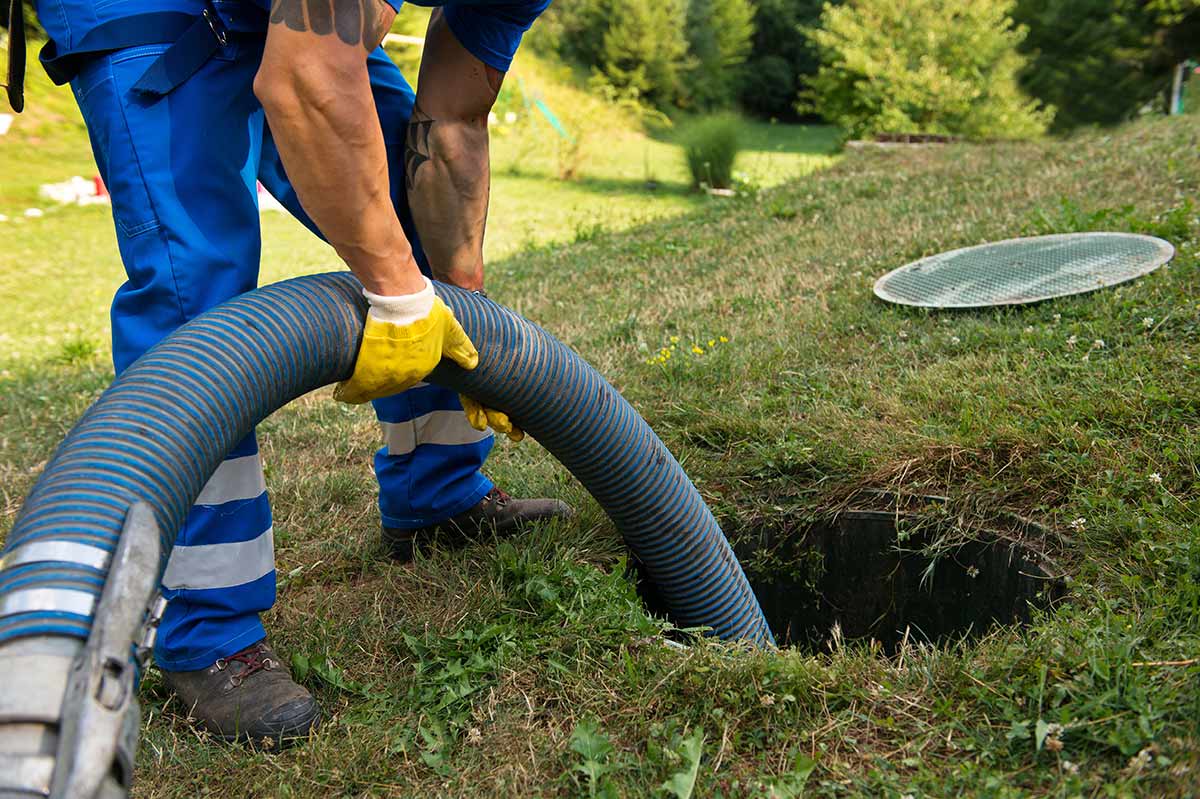
Why Does My New Septic Tank Smell and How to Fix It?
Okay, so you just got a brand new septic system installed. You're excited to be off the city sewer and finally have some independence, right? But wait, what's that smell? It's that unmistakable sewage odor wafting through your yard! You can't believe it! You just spent a fortune on a new system and it already smells! Don't panic! It's not unusual for a new septic system to have some odor issues. There are a few reasons this happens and, thankfully, there are usually some fairly simple solutions.Understanding the Causes of Septic Tank Odors
First, let's talk about why those foul smells are happening. Remember, your septic system is basically a mini-ecosystem working hard to break down waste. A lot of bacteria and enzymes are involved, and sometimes, things can get a little out of whack. Here are some common culprits:
1. Incomplete Breakdown:
Your septic tank is designed to separate solids and liquids. The solid waste settles at the bottom and is broken down by bacteria. But sometimes, if there's too much solid waste, or if the bacteria aren't working efficiently, you might get a buildup of sludge and a less-than-pleasant odor. Think of it like a compost bin - if you don't add the right ingredients, the compost doesn't break down properly and can get smelly!
2. The Drain Field is Overloaded:
The drain field is like the lungs of your septic system. It's the place where the treated wastewater is slowly released into the ground. If the drain field is overloaded, the treated water can't drain properly, leading to a backup that causes odors. This can happen if you have too much water going into the system (like running your washing machine and dishwasher all at once).
3. Problems with the Tank or Baffle:
Sometimes, the problem isn't with what's going in the septic system, but with the system itself. The tank might have a crack or a leak, or the baffle (which keeps solids from flowing into the drain field) might be damaged. These issues can allow untreated sewage to seep out and cause odors.
4. Poor Ventilation:
Your septic tank should have a vent pipe that releases gases from the system. If the vent pipe is blocked or inadequate, the gases can build up and escape through other openings, resulting in odor issues.
Tips to Fix Those Septic Tank Smells
Okay, now that you know what might be causing the odor, let's talk about how to fix it!
1. Reduce Waste:
The first and easiest step is to simply reduce the amount of waste going into your septic system. This means:
By reducing the amount of waste going into the system, you give the bacteria a better chance to break everything down effectively.
2. Check Your Vent Pipe:
Make sure your vent pipe is clear and unobstructed. Look for any signs of blockage, like leaves or debris. If you see a problem, you can often clear it yourself with a brush, but it's best to call a professional if you're unsure.
3. Add Bacteria to the Tank:
You can purchase septic tank bacteria at most hardware stores. These bacteria are designed to help break down waste more effectively, which can help reduce odors.
4. Add Septic System Deodorizer:
Septic system deodorizers can help mask odors, but they don't address the underlying problem. You can use them in conjunction with the other tips mentioned above, but they are not a long-term solution.
5. Consider Pumping the Tank:
If you're concerned about sludge buildup, you can have the tank pumped. A professional will remove the sludge and inspect the tank for any problems. Most septic tanks should be pumped every 3-5 years, depending on usage.
6. Don't Ignore the Problem!
The worst thing you can do is ignore the smell! If you're having trouble getting rid of it, don't hesitate to call a qualified septic system professional. They can diagnose the problem and recommend the best solution.
Commonly Asked Questions
Why does my new septic system smell worse than my old one?
It's not uncommon for a new septic system to smell worse at first. This is because the bacteria in the new tank haven't had a chance to establish themselves yet. Give it a few weeks and things should start to settle down. If the odor doesn't improve, contact a professional.
Is it normal for a septic system to have a slight odor?
Yes, a very slight odor is usually normal, especially near the vent pipe. However, if it's a strong odor, or if it's coming from other areas like your yard, it's a sign of a problem.
How often should I pump my septic tank?
The average septic tank should be pumped every 3-5 years. However, this can vary depending on the size of the tank, the number of people living in your home, and your water usage. Check with your local septic system inspector for recommendations.
What can I do to prevent odors from developing in the future?
The best way to prevent septic system odors is to maintain the system properly. This means regularly pumping the tank, avoiding flushing things that don't belong in the system, and being mindful of water usage.
Remember, a well-maintained septic system should be odor-free. If you're having issues, don't ignore them! A little attention to your system can go a long way in keeping it running smoothly and smelling fresh!
Thursday, November 14, 2024
Best Tips for Keeping Your Septic Tank Clean and Healthy
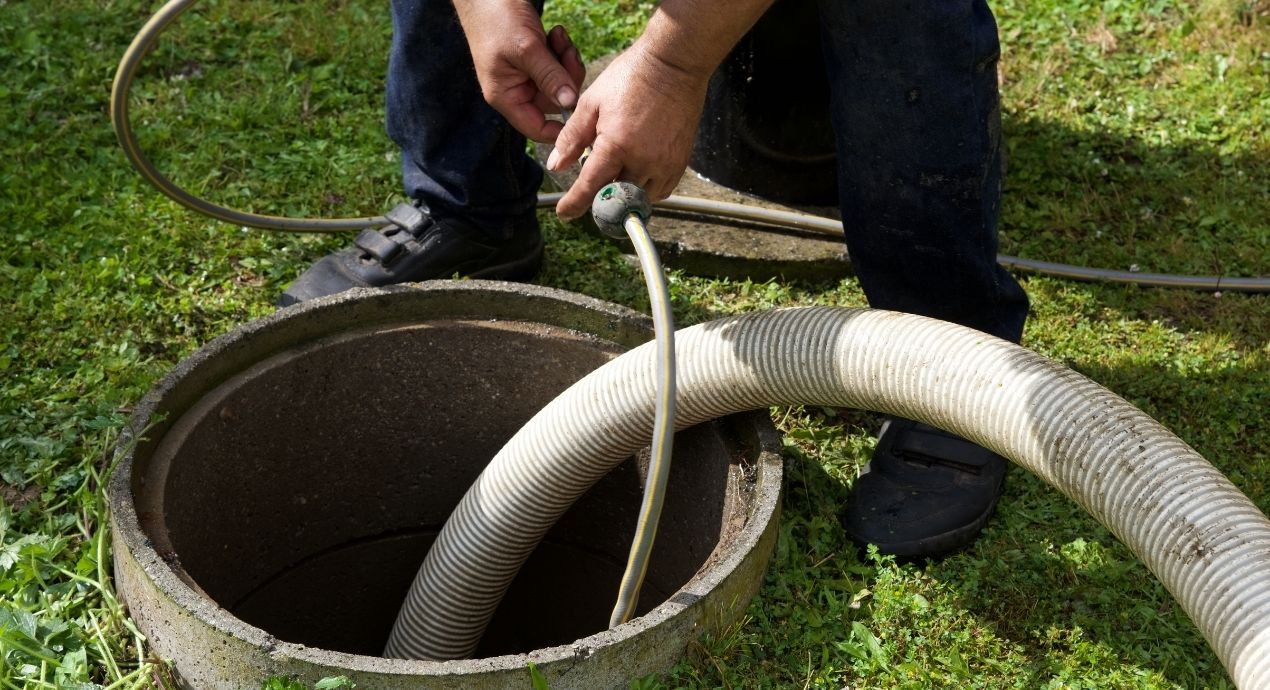
The Ultimate Guide to Keeping Your Septic Tank Clean and Healthy
Owning a home with a septic system comes with its own set of responsibilities. Keeping your septic tank clean and healthy is essential for its longevity and the smooth operation of your plumbing. A well-maintained septic system will prevent costly repairs, unpleasant odors, and environmental issues. Follow these tips to ensure your septic system stays in tip-top shape for years to come.
Understanding Your Septic System
Before diving into maintenance tips, it's crucial to understand how your septic system works. Your system consists of a septic tank and a drain field. Wastewater from your home flows into the tank, where solids settle to the bottom, forming sludge. Liquids are then discharged into the drain field, where they are filtered and slowly absorbed into the soil. Regular maintenance ensures the efficient separation of solids and liquids, preventing clogs and backups.
Essential Tips for a Healthy Septic Tank
1. Pump Regularly
Pumping your septic tank is a vital part of its maintenance. Over time, sludge and scum accumulate in the tank, reducing its capacity and impacting its efficiency. Aim to pump your septic tank every 3-5 years, depending on your household size and water usage. You can schedule a professional pumping service or contact your local municipality for recommendations.
2. Avoid Harsh Chemicals
Avoid using harsh chemicals like bleach, drain cleaners, and antibacterial soaps, as these can disrupt the natural bacteria in your septic tank that help break down waste. Opt for eco-friendly cleaning products and septic tank additives that are safe for your system.
3. Conserve Water
Minimize water usage to reduce the amount of wastewater flowing into your septic system. Take shorter showers, fix leaky faucets, and use water-efficient appliances. By conserving water, you reduce the strain on your tank and prolong its lifespan.
4. Dispose of Grease and Fats Properly
Grease and fats can solidify in your septic tank, creating blockages and hindering the efficient breakdown of waste. Avoid pouring grease down the drain. Instead, let it cool and dispose of it in the trash.
5. Avoid Flushing Non-Biodegradables
Never flush anything that is not biodegradable down the toilet, including:
These items can clog your pipes and disrupt the normal functioning of your septic system.
6. Maintain Your Drain Field
The drain field plays a crucial role in filtering wastewater and allowing it to seep into the ground. Avoid driving or parking vehicles over the drain field, as this can compact the soil and hinder drainage. Additionally, ensure there are no obstructions blocking the drain field, such as trees or shrubs.
7. Inspect Regularly
Regularly check your septic system for signs of trouble. Look out for:
If you notice any of these signs, contact a qualified septic tank professional immediately.
Conclusion
By following these simple yet effective tips, you can ensure your septic system remains clean and healthy for years to come. Remember, a well-maintained septic system means a cleaner home, fewer headaches, and a more environmentally friendly approach to wastewater management.