Friday, November 22, 2024
How I Solved the Smell Coming from My Septic Tank Drain Field
Troubleshooting and Resolving Septic Tank Drain Field Odor Issues: A Case Study
Unpleasant odors emanating from a septic tank drain field represent a significant nuisance and potential health concern. This case study details the systematic approach employed to identify and rectify a persistent foul smell originating from the drain field of a residential property. The investigation involved a multi-faceted process, encompassing visual inspection, soil analysis, and the consideration of several potential contributing factors. This detailed account aims to provide a comprehensive understanding of the troubleshooting process and serve as a valuable resource for homeowners and professionals alike.
Initial Assessment and Symptom Identification
The initial complaint involved a recurring, pungent odor, described as a combination of sulfur and sewage, originating from the vicinity of the septic tank drain field. The odor was particularly noticeable during warmer weather and after periods of heavy rainfall. The intensity of the smell fluctuated, but it was consistently present enough to be a significant source of discomfort for the residents. The preliminary assessment involved careful observation of the surrounding area to identify any potential visual clues. This included checking for signs of standing water, unusual vegetation growth, or evidence of soil saturation.
Visual Inspection of the Drain Field
A thorough visual inspection of the drain field revealed no obvious signs of leakage or malfunction. The area appeared relatively dry, with no visible standing water or pooling. However, the soil surrounding the drain field showed signs of compaction in several areas. This was a potential indicator of inadequate soil permeability, which could contribute to the odor problem. The vegetation in the vicinity was sparse and appeared somewhat stressed, suggesting that the soil may not be adequately aerated.
Odor Characterization and Potential Sources
The characteristic smell, described as a combination of sulfur and sewage, pointed towards several potential sources. These included:
- Insufficient soil aeration: A lack of oxygen in the soil can lead to anaerobic decomposition of organic matter, resulting in the production of hydrogen sulfide, a gas with a characteristic rotten-egg smell.
- Clogged drain lines: Blockages in the drain lines can cause wastewater to back up, leading to overflow and the release of foul-smelling gases.
- Septic tank malfunction: Problems with the septic tank itself, such as a high water table or a failing septic tank, could contribute to the release of gases into the drain field.
- Soil saturation: Excessive moisture in the soil could create anaerobic conditions, promoting the growth of odor-causing bacteria.
Given the lack of overt signs of malfunction, the investigation proceeded to a more in-depth analysis of the soil properties and the drainage system.
Soil Analysis and Permeability Testing
To assess the soil's ability to effectively process wastewater, permeability testing was conducted. This involved the use of a permeameter, a device designed to measure the rate at which water moves through the soil. The results indicated a lower-than-ideal permeability rate, suggesting that the soil was not draining efficiently. This supported the initial hypothesis that inadequate soil aeration and drainage were contributing to the odor problem.
Sample Collection and Laboratory Analysis
Soil samples were collected from various points within and around the drain field. These samples were sent to a certified laboratory for analysis to determine the soil composition, organic matter content, and overall suitability for wastewater treatment. The laboratory analysis confirmed the visual observations, indicating a relatively dense soil with limited permeability. The high organic matter content further suggested that anaerobic decomposition was occurring, contributing to the odor problem.
Solutions and Remediation Strategies
Based on the findings of the visual inspection, permeability testing, and laboratory analysis, a comprehensive remediation plan was developed. The plan focused on improving soil aeration and drainage to restore the proper functioning of the drain field.
Soil Aeration Techniques
Several strategies were employed to improve soil aeration. These included:
- Periodic tilling: The soil was lightly tilled to break up compaction and improve air circulation. This process was carried out carefully to avoid damaging the existing drain lines.
- Introduction of aeration pipes: A network of perforated pipes was installed beneath the surface of the drain field to facilitate air circulation. This enhanced oxygen availability within the soil, promoting aerobic decomposition of organic matter.
Drainage Improvement Measures
To address the drainage issues, several steps were taken:
- Grading adjustments: The surrounding landscape was carefully graded to ensure proper slope and drainage away from the drain field.
- French drain installation: A French drain was installed around the perimeter of the drain field to collect and divert excess surface water, preventing soil saturation.
Post-Remediation Monitoring and Results
Following the implementation of the remediation strategies, the drain field was closely monitored for several weeks. The odor significantly diminished within a few days of the aeration and drainage improvements. Regular inspections continued for several months to ensure the effectiveness of the implemented solutions. The soil permeability was re-evaluated after three months, revealing a significant improvement in drainage capacity. Regular maintenance, including occasional tilling and monitoring of the drainage system, is recommended to prevent future odor problems.
Conclusion: This case study demonstrates the effectiveness of a systematic approach to troubleshooting septic tank drain field odor issues. A thorough investigation, including visual inspection, soil analysis, and targeted remediation strategies, is crucial for identifying the root cause and implementing appropriate corrective measures. Early identification and prompt action can prevent the escalation of minor problems into major and costly repairs.

Wednesday, November 20, 2024
The Top Causes of Septic Tank Smell and How to Fix Each

The Top Causes of Septic Tank Smell and How to Fix Each
The unpleasant odor emanating from a septic system is a common homeowner concern, often indicating an underlying issue requiring immediate attention. A septic tank's primary function is to efficiently process household wastewater, and when this process is disrupted, the result is a foul smell that can permeate the surrounding environment. Understanding the root causes of these odors is crucial for implementing effective solutions and preventing potential health hazards and costly repairs. This comprehensive guide will delve into the most prevalent causes of septic tank smells and provide detailed, actionable solutions for each.
1. Clogged Drain Field
The drain field, also known as the leach field, is the crucial component of a septic system responsible for dispersing treated wastewater into the surrounding soil. When this system becomes clogged, wastewater backs up, leading to a significant increase in pressure within the septic tank and ultimately, a noxious odor. This blockage can stem from various sources, each requiring a specific approach to remediation.
Causes of Drain Field Clogging:
- Excessive Waste: Overloading the system with excessive water usage or improper disposal of certain materials (e.g., excessive grease, sanitary products) can overwhelm the drain field's capacity, leading to slow drainage and backups.
- Soil Compaction: Over time, soil surrounding the drain field can become compacted, reducing its permeability and hindering the efficient absorption of treated wastewater.
- Root Intrusion: Tree roots, particularly those from aggressive species, can penetrate the drain field pipes, causing blockages and disrupting the flow of wastewater.
- Improper Installation: Poorly installed drain fields, lacking adequate grading or proper pipe spacing, are prone to clogging and premature failure.
- High Water Table: In areas with a naturally high water table, the drain field may struggle to effectively disperse wastewater due to saturated soil conditions.
Solutions for Clogged Drain Field:
- Reduce Water Usage: Implement water-saving practices such as shorter showers, fixing leaky faucets, and using efficient appliances.
- Avoid Flushing Improper Items: Refrain from flushing anything other than human waste and toilet paper. Grease, sanitary products, and excessive amounts of paper towels should be avoided.
- Professional Inspection and Repair: A licensed septic professional can assess the drain field's condition, identify the cause of the blockage, and implement appropriate repairs, such as jetting, pipe replacement, or soil aeration.
- Root Removal: Specialized equipment can be employed to remove intrusive tree roots from the drain field piping.
- Drain Field Replacement: In severe cases of damage or failure, a complete drain field replacement may be necessary.
2. Septic Tank Overflow
A septic tank overflow is a critical situation that leads to significant odor problems and potential environmental contamination. This occurs when the tank becomes overwhelmed with wastewater, exceeding its capacity and forcing the effluent to back up into the house or overflow onto the ground. This often results in a strong, pungent odor.
Causes of Septic Tank Overflow:
- Insufficient Tank Size: A septic tank that is too small for the household's size and water usage will inevitably overflow.
- Excessive Waste Generation: Similar to the drain field clogging, excessive waste can overwhelm the tank's processing capacity.
- Sludge Buildup: Over time, solid waste settles at the bottom of the tank, forming a layer of sludge. Excessive sludge buildup reduces the effective volume of the tank and increases the risk of overflow.
- Improper Maintenance: Neglecting regular pumping and inspection can lead to sludge buildup and increased risk of overflow.
Solutions for Septic Tank Overflow:
- Immediate Pumping: Contact a septic service professional to immediately pump out the excess wastewater.
- Regular Pumping and Maintenance: Establish a routine schedule for septic tank pumping, typically every 3-5 years, depending on household size and water usage.
- Septic Tank Inspection: Regular inspections can identify potential problems early, preventing major issues and costly repairs.
- Tank Replacement: If the existing tank is too small or severely damaged, replacement may be necessary.
3. Sludge and Scum Buildup
The natural process of wastewater decomposition within the septic tank results in the accumulation of sludge (solids at the bottom) and scum (oils and greases floating on the surface). These layers, if left unchecked, can significantly reduce the effective volume of the tank, hamper the bacterial breakdown process, and contribute to foul odors.
Causes of Sludge and Scum Buildup:
- Lack of Regular Pumping: Inconsistent or infrequent pumping allows sludge and scum layers to grow excessively.
- Improper Waste Disposal: Disposing of excessive grease, oils, or other materials that don't readily break down can contribute to scum buildup.
Solutions for Sludge and Scum Buildup:
- Regular Pumping: Regular pumping removes accumulated sludge and scum, maintaining the optimal functioning of the septic tank.
- Proper Waste Disposal Practices: Avoid pouring grease down the drain and dispose of other potentially problematic materials appropriately.
4. Improper Ventilation
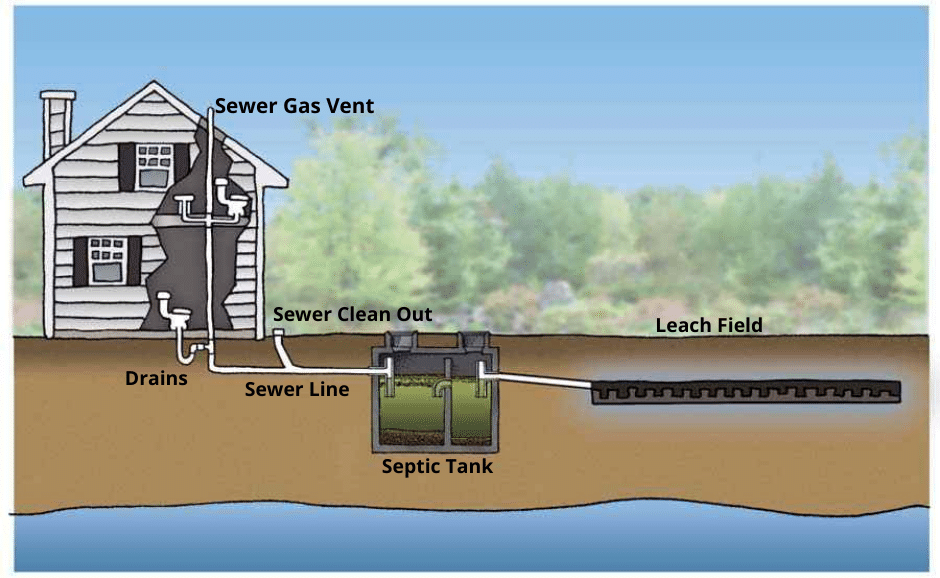
Adequate ventilation is crucial for preventing the buildup of sewer gases within the septic system. A properly functioning vent pipe allows these gases to escape safely, preventing them from entering the home and causing unpleasant odors. A blocked or damaged vent pipe can trap these gases, resulting in a noticeable smell.
Causes of Improper Ventilation:
- Clogged Vent Pipe: Debris, leaves, or other obstructions can block the vent pipe, preventing proper airflow.
- Damaged Vent Pipe: Cracks, breaks, or collapses in the vent pipe can compromise its functionality.
- Insufficient Ventilation: In some cases, the existing vent pipe may be insufficient to handle the volume of sewer gases generated by the septic system.
Solutions for Improper Ventilation:
- Inspect and Clean Vent Pipe: Regularly inspect the vent pipe for any blockages and clean as needed.
- Repair or Replace Damaged Vent Pipe: A damaged vent pipe should be repaired or replaced by a qualified professional.
- Increase Ventilation: If the existing ventilation is inadequate, a larger or additional vent pipe may be required.
Addressing septic tank odors requires a systematic approach involving careful observation, accurate diagnosis, and prompt remediation. While some minor issues can be handled with simple adjustments, significant problems necessitate the intervention of qualified septic system professionals to prevent further damage and ensure the long-term health and efficiency of the entire system. Ignoring these issues can lead to costly repairs, environmental contamination, and health risks. Regular maintenance and prompt attention to any unusual odors are crucial for maintaining a functional and odor-free septic system.
Tuesday, November 19, 2024
Top Tips for Managing Septic Tank Odor Problems
Banishing Bad Smells: Your Guide to Conquering Septic Tank Odors
That unmistakable, unpleasant smell wafting from your yard? It's a clear sign your septic system needs attention. Septic tank odor problems aren't just unpleasant; they can indicate underlying issues that, if left unaddressed, can lead to costly repairs and environmental concerns. Fortunately, with proactive maintenance and a few clever strategies, you can effectively banish those bad smells and keep your septic system running smoothly. This guide equips you with the knowledge and tools to reclaim fresh air and peace of mind.
Understanding the Source of the Stench
Before you tackle the odor, understand its origin. Septic tank smells usually stem from gases escaping the system. These gases, primarily hydrogen sulfide, are a byproduct of bacterial decomposition of waste. Leaks in the tank, clogged drain fields, or insufficient ventilation can all allow these gases to escape into your yard and home. Identifying the source pinpoints the solution. A subtle, intermittent smell might suggest a minor issue like a slow drain, whereas a strong, persistent odor warrants immediate professional attention. Don't delay; a strong smell signals a potentially serious problem that could escalate quickly.
Proactive Measures to Prevent Septic Tank Odors
Prevention is always better than cure. Regular maintenance significantly reduces the chances of unpleasant odors developing. Think of it as preventative medicine for your septic system. Regular pumping prevents sludge buildup, which is a major contributor to gas production and backups.
Schedule Regular Pumping
Pumping your septic tank every 3-5 years (or more frequently, depending on household size and usage) is crucial. This prevents the buildup of solids and liquids, ensuring efficient decomposition and minimizing the release of foul-smelling gases. A professional inspection will also uncover potential problems early on, avoiding costly repairs down the line.
Limit Harsh Chemicals
Avoid pouring harsh chemicals down your drains. These chemicals can disrupt the delicate bacterial balance within the septic tank, inhibiting the natural decomposition process and leading to increased gas production. Opt for environmentally friendly cleaning products instead. Your septic system will thank you, and so will the environment.
Maintain Your Drain Field
Proper landscaping around your drain field is vital. Avoid planting heavy trees or shrubs whose roots could damage the drain lines. Keep the area free from heavy traffic to prevent compaction and ensure proper drainage. Regularly check for signs of saturation or standing water, which could be indicators of a problem.
Addressing Existing Septic Tank Odor Problems
If you're already battling unpleasant smells, don't panic. There are steps you can take to mitigate the odor while determining the underlying cause. These quick fixes might provide temporary relief while you schedule professional help.
Improve Ventilation
Ensure your septic tank's vent pipe is clear and unobstructed. A clogged vent pipe traps gases, forcing them to find alternative escape routes â€" often through your yard or home. Check the vent pipe regularly for blockages and clean it if necessary. Consider adding an extension to direct the exhaust away from living areas.
Use Bacterial Treatments
Septic tank bacterial treatments contain beneficial bacteria that aid in waste decomposition. These bacteria help break down solids and reduce odor-causing gases. While these treatments are not a substitute for professional pumping, they can offer a temporary solution and improve overall septic system health.
Call a Professional
If the odor persists despite your efforts, call a qualified septic system professional immediately. They possess the expertise and equipment to diagnose the issue accurately, whether it's a leak, a clogged drain field, or another underlying problem. Early intervention prevents minor problems from escalating into costly and extensive repairs.
By following these tips and acting proactively, you can effectively manage and eliminate septic tank odor problems, ensuring a fresh-smelling yard and a smoothly functioning septic system for years to come.
Sunday, November 17, 2024
How to Prevent Septic Smell in Your House Before It Starts
Banishing Septic Odors: Preventing That Unpleasant Smell Before It Starts
Imagine this: You walk into your home, expecting the comforting scent of fresh air, only to be met with a wave of unpleasantness. A foul, sewage-like odor permeates the house, a clear sign of a septic system gone awry. This unwelcome guest can quickly transform your haven into a source of embarrassment and discomfort. But don't despair! By understanding the root causes of septic smells and implementing proactive measures, you can prevent this unpleasant scenario from ever occurring.
Understanding the Source of the Stink
Septic systems, while designed to efficiently handle wastewater, can become breeding grounds for odor-producing bacteria if not properly maintained. The culprit behind that distinctive smell is usually hydrogen sulfide gas, released by anaerobic bacteria that thrive in the absence of oxygen. These bacteria break down waste in your septic tank, and if they are not adequately controlled, their byproducts can find their way into your home through various means.
Proactive Measures to Prevent Septic Odors
While a septic smell can be an indication of a serious issue, it's often a symptom of simple negligence. By taking proactive steps, you can significantly reduce the risk of unpleasant odors entering your home.
Regular Pumping and Maintenance
The cornerstone of septic system maintenance is regular pumping. This essential task removes accumulated sludge and solids from your tank, ensuring optimal performance. A well-maintained septic system is less likely to produce offensive odors.
Wastewater Management: What Goes Down the Drain Matters
Your septic system is not a garbage disposal. Avoid flushing anything other than human waste and toilet paper down the drain.
Maximize Efficiency: Optimize Your System's Function
A well-functioning septic system is less prone to odor issues.
A Little Prevention Goes a Long Way
The scent of your home should be a welcome aroma, not a reminder of a malfunctioning septic system. By proactively maintaining your system, making conscious decisions about what goes down the drain, and optimizing its efficiency, you can enjoy the comfort of your home without the worry of offensive odors.
The Health Hazards of Septic Tank Smells in Your Home and How to Avoid Them

The Health Hazards of Septic Tank Smells in Your Home and How to Avoid Them
Let’s be honest, no one wants to live with a stinky house. But when that smell is coming from your septic system, it’s not just an unpleasant odor â€" it could be a sign of serious problems. Septic tank smells are more than just a nuisance; they can actually pose health risks to you and your family. That's why understanding the causes of these smells and how to prevent them is crucial.
What Causes Septic Tank Smells?
The most common culprits behind those unpleasant aromas are gases produced during the breakdown of waste in your septic tank. These gases, like hydrogen sulfide and methane, can escape through cracks in the tank or vent pipe, finding their way into your home.
Common Reasons for Septic Tank Smells:
- A Full Tank: When your septic tank is overloaded, it can't process waste efficiently. This leads to a buildup of solids, causing a foul odor to seep into your home.
- Clogged Drain Field: If your drain field, which filters the wastewater, gets clogged, the treated water can't properly drain, creating pressure that forces gases back into your home.
- Broken Vent Pipe: The vent pipe on your septic tank allows gases to escape safely into the atmosphere. If it's damaged or blocked, the gases will find another way out, often into your home.
- Cracked Tank: A cracked septic tank can let out unpleasant odors and even allow raw sewage to seep into the surrounding soil. This is a serious problem that needs immediate attention.
- Improper Maintenance: Neglecting regular septic tank maintenance can lead to a build-up of solids and other issues, resulting in those unwelcome smells.
Health Risks Associated with Septic Tank Smells
While the odor itself is pretty unpleasant, the real danger lies in the gases released from your septic system. These gases can contain harmful toxins that can impact your health, especially if you’re exposed to them over long periods.
Potential Health Effects:
- Respiratory Problems: The gases from your septic system can irritate the lungs and airways, leading to coughing, wheezing, and difficulty breathing. Individuals with asthma or other respiratory conditions are particularly susceptible.
- Headaches and Dizziness: These gases can cause headaches and dizziness, especially when present in high concentrations.
- Skin Irritation: Prolonged exposure to some of these gases can irritate the skin, leading to rashes and other skin problems.
- Nausea and Vomiting: In some cases, exposure to high levels of these gases can trigger nausea and vomiting.
How to Prevent Septic Tank Smells
The best way to avoid unpleasant odors from your septic system is to take proactive steps to maintain it properly. Here are some essential tips:
Maintenance is Key:
- Regular Inspections: Schedule regular inspections by a qualified septic professional. They can assess the health of your system, identify potential problems early on, and recommend any necessary repairs.
- Pumping: Get your septic tank pumped out every 3-5 years (or more often if you have a large household). This will remove accumulated solids and prevent overloading.
- Avoid Flushing Harmful Items: Don’t flush anything that’s not biodegradable, like wipes, sanitary products, or medications. These items can clog your system and lead to backups.
- Minimize Water Usage: Be mindful of your water usage to minimize the amount of wastewater going into your septic system. Take shorter showers, fix leaky faucets, and consider using water-efficient appliances.
Additional Tips:
- Inspect the Vent Pipe: Make sure the vent pipe is clear and unobstructed. Check for any cracks or damage that could allow gases to escape.
- Seal Drains: Ensure all floor drains in your basement or other areas near your septic system are properly sealed to prevent odors from entering your home.
- Use Odor-Neutralizing Products: There are a variety of odor-neutralizing products available that can help mask unpleasant smells from your septic system. However, remember that these products are only temporary solutions; proper maintenance is still crucial.
What to Do if You Smell Septic Tank Odor
If you notice a strong septic smell in your home, it's important to take action. Don't ignore it, as it could be a sign of a bigger problem.
- Check Your Septic System: Start by inspecting your septic tank and drain field for any visible signs of damage or blockages.
- Contact a Septic Professional: If you suspect an issue with your septic system, contact a licensed and experienced septic professional as soon as possible. They can diagnose the problem and recommend appropriate solutions.
- Address the Issue Promptly: Don't delay addressing the problem. Ignoring it can lead to more serious issues, which can be costly and time-consuming to repair.
Commonly Asked Questions
Here are some common questions people have about septic tank smells:
- What if I smell gas? If you suspect a gas leak, contact a qualified plumber or gas company immediately. Gas leaks are extremely dangerous and require prompt attention.
- Why does my septic smell worse in the summer? Higher temperatures can increase the rate of decomposition in your septic tank, leading to more gases being released.
- Is there a way to mask the smell? While odor-neutralizing products can temporarily mask the smell, they don’t address the underlying problem. It’s important to address the source of the odor through proper maintenance.
- Can I use bleach in my septic tank to get rid of the smell? No, bleach can actually damage your septic system and make the problem worse.
- How do I know if I need to pump my septic tank? A professional can inspect your tank and recommend when it needs pumping based on your usage and system size. A good rule of thumb is to have it pumped every 3-5 years, but this can vary.
Remember, a smelly septic system is a serious issue that shouldn’t be ignored. Regular maintenance, prompt repairs, and proper use of your system can help prevent unpleasant odors and ensure a safe and healthy environment for your family.
How to Deal with New Septic Tank Odors Until They Disappear

How to Deal with New Septic Tank Odors Until They Disappear
New septic tank odors are a common problem that can be frustrating to deal with. While it's normal for a new septic tank to have some odor initially, persistent or strong smells can indicate underlying issues that require attention.
This guide provides practical solutions and strategies to tackle new septic tank odors effectively, ensuring a comfortable and odor-free environment.
Understanding the Cause of Septic Tank Odors
Septic tank odors arise from the decomposition of organic waste within the tank. Bacteria break down waste, releasing gases that can escape through vents or cracks in the system. These gases often have a characteristic foul odor.
Several factors can contribute to new septic tank odors:
- Incomplete Decomposition: Newly installed tanks may require time for bacteria to establish a stable balance, leading to incomplete waste decomposition and odor production.
- Improper Installation or Design: Faulty installation, incorrect venting, or insufficient tank capacity can create conditions conducive to odor generation.
- Overloading: Using too much water or disposing of inappropriate materials can overload the septic tank, leading to backups and odor issues.
- System Age and Maintenance: Older tanks may have worn-out components, such as the lid or vents, allowing odors to escape. Regular maintenance is crucial to prevent odor buildup.
Effective Strategies for Eliminating New Septic Tank Odors
Addressing new septic tank odors involves a combination of preventative measures, odor-neutralizing techniques, and professional intervention when necessary.
Preventative Measures
Implementing these preventative measures can minimize the likelihood of odor development and ensure the long-term health of your septic system:
- Avoid Flushing Inappropriate Items: Never flush items like grease, oil, food scraps, medications, wipes, or feminine hygiene products down the drain. These materials can disrupt the bacterial balance and cause blockages. Stick to flushing only toilet paper and human waste.
- Limit Water Usage: Conserve water by taking shorter showers, fixing leaks promptly, and using low-flow appliances. This helps reduce the strain on your septic system and minimizes odor production.
- Maintain Proper Septic Tank Distance: Ensure sufficient spacing between your house, the septic tank, and the drain field. Avoid planting trees or shrubs near the system, as their roots can damage pipes and cause blockages.
- Schedule Regular Inspections and Pumping: Have your septic tank inspected and pumped every 2-3 years by a licensed professional. This ensures proper functionality, removes accumulated sludge, and minimizes odor buildup.
Odor-Neutralizing Techniques
These methods can help neutralize existing odors and create a fresher environment:
- Natural Odor Absorbers: Place bowls of activated charcoal, baking soda, or coffee grounds around the house to absorb odor molecules. These natural absorbers can be effective in reducing unpleasant smells.
- Ventilate the Area: Open windows and doors to allow fresh air to circulate and dissipate odors. Use fans to improve ventilation and accelerate the odor removal process.
- Commercial Odor Neutralizers: Use commercially available septic tank odor neutralizers that contain enzymes or bacteria to break down waste and reduce odor production. Follow the instructions provided by the manufacturer.
- Home Remedies: Simple solutions like boiling water with vinegar or lemon juice can temporarily mask odors. However, these methods address only the symptom and do not address the underlying cause of the problem.
Professional Intervention
If home remedies and preventative measures fail to eliminate the odor, it's time to call a professional septic service. A qualified technician can assess the situation and identify any underlying problems that may be causing the odors. They can:
- Inspect the System: Conduct a thorough inspection of the septic tank, drain field, and vent system to identify potential issues like leaks, blockages, or improper installation.
- Perform Repairs or Modifications: Address any identified problems, such as fixing leaks, replacing damaged components, or adjusting the system design to improve performance and reduce odors.
- Pump the Tank: Remove accumulated sludge and solids to improve the tank's efficiency and reduce odor production. Regular pumping is essential for a well-functioning septic system.
Understanding When to Contact a Professional
It's advisable to contact a professional septic service if you notice any of the following signs:
- Persistent Odors: If odors persist despite using odor-neutralizing techniques, it indicates a potential problem that requires professional attention.
- Changes in Drainage: Slow-draining sinks, tubs, or toilets are often a sign of a septic system blockage or malfunction. Call a professional promptly to prevent further damage.
- Visible Waste in the System: If you see waste surfacing in your yard or notice a sewage-like smell near the drain field, it's a serious issue requiring immediate professional help.
- Signs of System Failure: A gurgling sound in pipes, a wet area near the drain field, or a noticeable dip in your yard may indicate a failing septic system, requiring professional evaluation and repair.
Conclusion
New septic tank odors can be a nuisance, but understanding the causes and implementing effective solutions can alleviate the problem. By following preventative measures, employing odor-neutralizing techniques, and seeking professional assistance when necessary, you can ensure a comfortable and odor-free living environment. Regular maintenance and prompt action are crucial for maintaining the health and efficiency of your septic system.
Saturday, November 16, 2024
How to Reduce Septic Tank Odors in Your Backyard

How to Banish Those Pesky Septic Tank Odors From Your Backyard
Let's face it, no one wants to be greeted by a pungent, sewage-like aroma when stepping into their backyard. That's why you're here, right? Dealing with septic tank odors can be a real headache, but don't worry, you're not alone. With a little know-how and some elbow grease, you can banish those unpleasant smells and get back to enjoying your outdoor space.
First things first, let's understand why those odors arise. It all boils down to the bacteria in your septic tank. These hardworking little critters break down waste, but sometimes they produce gases that can escape and permeate your yard. The key is to manage those gases and prevent them from becoming a nuisance.
Understanding the Sources of Septic Tank Odors
Before we dive into solutions, let's pin down where those odors are coming from. There are a few common culprits:
Leaky Septic Tank or Drainfield
This is the most obvious culprit. If your septic tank or drainfield has cracks or leaks, those gases will escape directly into the surrounding soil and air.
Overloaded Septic Tank
Just like a garbage can, your septic tank can only hold so much. If you're constantly pushing the limits of its capacity, the bacteria might be working overtime and producing more gases than usual.
Clogged Drainfield
Your drainfield is responsible for filtering the treated wastewater. If it becomes clogged, the wastewater can back up into the tank, causing the bacteria to work harder and release more gases.
Venting Issues
Every septic system should have a vent pipe that releases gases to the atmosphere. If this pipe is blocked or damaged, the gases will find other ways to escape, like through your backyard.
Prevention is Key
The best approach to dealing with septic tank odors is to prevent them from happening in the first place. Here are some preventive measures:
Regular Pumping and Maintenance
Get your septic tank pumped out every 3-5 years, or sooner if you have a large family or use a lot of water. This ensures the tank isn't overloaded. Don't forget about routine maintenance, like checking for leaks and making sure the vent pipe is clear.
Avoid Flushing Troublesome Items
Think of your septic tank like a delicate ecosystem. Avoid flushing things that can disrupt it, like:
- Flushing wipes (even those labeled "flushable"). They don't break down like toilet paper
- Pouring grease or oil down the drain. It can solidify and clog your system
- Dumping large amounts of chemicals or medications down the drain
Be Mindful of Water Usage
Excessive water usage can put a strain on your septic system. Run the dishwasher and washing machine less often, and take shorter showers. Every little bit helps!
Tackling Existing Odors
If you're already dealing with those pesky smells, don't despair! Here are some strategies to tackle the situation:
Identify the Source
The first step is to figure out where those odors are coming from. Inspect your septic tank and drainfield for any visible leaks or cracks. If you can't find any issues, consider calling a septic professional to investigate further.
Deodorizers and Neutralizers
You can find septic tank deodorizers and neutralizers at your local hardware store or online. These products work by masking the odor or by introducing beneficial bacteria to break down the smelly compounds. While they offer temporary relief, they don't address the underlying issue.
Natural Solutions
Here are some natural solutions you can try:
- Baking Soda and Vinegar: Pour a mixture of baking soda and vinegar down your toilet and let it sit for a few hours. This helps to break down odors and deodorize your system.
- Citrus Peels: Toss citrus peels into your garbage disposal. The citrus oils can help to neutralize odors.
- Essential Oils: Adding a few drops of citrus or pine essential oil to your toilet bowl can help mask odors.
- Coffee Grounds: Sprinkle coffee grounds around the perimeter of your septic tank. The grounds help to absorb odors.
Landscaping Solutions
Planting certain plants around your septic tank can help to mask odors and even improve the health of your system. Consider planting:
- Lavender: This fragrant herb is known for its ability to mask odors
- Mint: This herb can help to neutralize odors and attract beneficial insects to your yard.
- Rosemary: This herb has a strong scent that can help to mask odors.
- Cattails: These plants are known for their ability to filter water and improve the health of your septic system.
When to Call a Professional
There are times when it's best to call a professional septic technician:
- If you suspect a leak or other problem with your septic system
- If your septic tank is overflowing or backing up
- If odors persist despite your efforts to eliminate them
- If you're experiencing slow drains or a decrease in water pressure
A professional can diagnose the issue, make repairs, and offer recommendations for future maintenance. It's better to address the problem early on before it becomes a bigger issue.
Commonly Asked Questions
Why is my septic tank smelling worse in the summer?
Warm temperatures can cause bacteria to break down waste faster, producing more gases. Summer heat also dries out the soil, allowing odors to escape more easily.
Can I use bleach to clean my septic tank?
Bleach can kill off beneficial bacteria in your septic tank, disrupting the breakdown process. It's best to avoid using bleach or other harsh chemicals in your system.
Is it okay to pour coffee grounds down the drain?
While some people recommend pouring coffee grounds down the drain, it's best to avoid this practice. Coffee grounds can clog your system, especially if you have a small drainfield.
Now that you have a better understanding of septic tank odors and how to manage them, you can enjoy a fresh-smelling backyard without worry. Remember, prevention is key, so keep those routine maintenance schedules in mind. And if you have any concerns, don't hesitate to call a professional. Your nose (and your neighbors!) will thank you.
Septic Tank Odor in the House: Why It’s Dangerous and How to Fix It
Septic Tank Odor in the House: Why It’s Dangerous and How to Fix It
The presence of septic tank odor in your house can be a serious issue, posing both health risks and potential damage to your property. The odor itself is an unpleasant experience, but the underlying causes can be far more worrisome. This article will delve into the dangers associated with septic tank odor in your home, explore the potential causes, and provide a comprehensive guide to fixing the problem.
The Dangers of Septic Tank Odor
The foul smell emanating from your septic system is often a warning sign of underlying issues that can lead to severe consequences. These dangers can be categorized into health risks, environmental hazards, and property damage.
Health Risks
The gases released from a malfunctioning septic system can be harmful to your health. Here are some key concerns:
- Hydrogen Sulfide: This gas, commonly known as "rotten egg" gas, can be highly toxic in high concentrations. It can irritate the respiratory system, causing coughing, shortness of breath, and headaches. In severe cases, it can even lead to unconsciousness and death.
- Methane: This flammable gas can be a fire hazard and can cause respiratory problems in high concentrations.
- Ammonia: This pungent gas can irritate the eyes, nose, and throat. Prolonged exposure can damage the respiratory system and contribute to lung diseases.
- Bacteria and Viruses: Septic systems harbor various bacteria and viruses that can cause gastrointestinal illnesses and other infections, especially if sewage backs up into your home.
Environmental Hazards
A malfunctioning septic system can pollute the surrounding environment, affecting both groundwater and surface water sources. This can lead to:
- Contamination of Groundwater: If sewage leaks from the septic tank or leach field, it can seep into the groundwater, contaminating it with harmful bacteria and pathogens.
- Surface Water Pollution: Sewage overflow can also pollute surface water sources like streams, rivers, and lakes, harming aquatic life and creating public health risks.
- Soil Contamination: Poorly functioning septic systems can contaminate the soil around the leach field, impacting the health of plants and potentially affecting local ecosystems.
Property Damage
Beyond health and environmental risks, septic tank odor can also lead to property damage. Here are some potential problems:
- Structural Damage: Sewage backup into the house can cause significant damage to floors, walls, and other structural components, leading to costly repairs.
- Mold Growth: Excessive moisture from sewage leaks can create ideal conditions for mold growth, which can trigger allergies and respiratory problems.
- Reduced Property Value: A malfunctioning septic system can significantly decrease the value of your property, making it harder to sell or refinance.
Causes of Septic Tank Odor
Understanding the causes of septic tank odor is crucial for taking appropriate action. Here are some common factors:
Full Septic Tank
When a septic tank is full, the solid waste cannot decompose properly, leading to an increase in bacteria and the release of unpleasant gases. A full tank can also lead to sewage backup.
Clogged Drainfield
The drainfield is responsible for filtering wastewater. When it becomes clogged with debris or sludge, it can't effectively treat the wastewater, leading to odors and potential sewage backup.
Broken Septic Tank Components
Cracks, leaks, or broken components in the septic tank or drainfield can allow sewage to escape, leading to odors and environmental contamination.
Poor Ventilation
Septic tanks should have proper ventilation systems to release gases safely. If the ventilation is inadequate or blocked, gases can escape into your house, causing odors.
Overuse
Excessive water usage can overload the septic system, making it harder to treat wastewater effectively and leading to odors.
Improper Maintenance
Lack of regular maintenance, including pumping the septic tank and inspecting the drainfield, can contribute to problems like clogs and leaks, ultimately leading to odors.
How to Fix Septic Tank Odor
Tackling septic tank odor requires a combination of immediate action to address the immediate problem and long-term strategies to prevent future occurrences.
Immediate Solutions
- Identify the Source: Pinpointing the exact location of the odor is essential. This might involve checking for leaks, cracks, or blockages in the septic tank and drainfield.
- Ventilate the Area: Open windows and doors to air out the affected areas and dilute the concentration of gases.
- Use an Odor Neutralizer: Commercial odor neutralizers can temporarily mask the smell, but they don't address the underlying cause.
- Call a Professional: If the odor persists or you suspect a serious problem, it's crucial to call a qualified septic system professional. They can diagnose the issue and recommend appropriate solutions.
Long-Term Solutions
- Pump the Septic Tank: Regular pumping, ideally every 3-5 years, is essential to remove accumulated solids and prevent overflow.
- Inspect and Maintain the Drainfield: Periodic inspection and maintenance of the drainfield can help identify and address problems like clogs or leaks.
- Improve Ventilation: Ensure adequate ventilation for the septic tank and drainfield. This might involve adding vents or checking for blockage.
- Reduce Water Usage: Implementing water-saving practices like low-flow showerheads and toilets can reduce the load on the septic system.
- Proper Waste Disposal: Avoid flushing items like wipes, paper towels, and grease down the toilet, as these can clog the system.
Prevention is Key
Preventing septic tank odor is the best approach. Here are some proactive measures you can take:
- Regular Pumping: Stick to a schedule for pumping the septic tank based on its size and the number of people living in the house.
- Prevent Clogs: Avoid flushing items that can clog the system, and consider using septic-safe alternatives.
- Monitor Water Usage: Be mindful of your water consumption and look for leaks that can strain the system.
- Inspect Regularly: Regularly inspect the septic tank and drainfield for any signs of damage or problems.
- Maintain Proper Ventilation: Ensure the ventilation system is functioning correctly and free from blockages.
Conclusion
Septic tank odor in your house is a serious issue that shouldn't be ignored. It poses health risks, environmental hazards, and potential property damage. By understanding the causes and taking proactive measures, you can prevent odors and ensure the long-term health of your septic system. If you suspect a problem, don't hesitate to contact a qualified septic system professional for diagnosis and repairs.
Why Does My New Septic Tank Smell and How to Fix It?
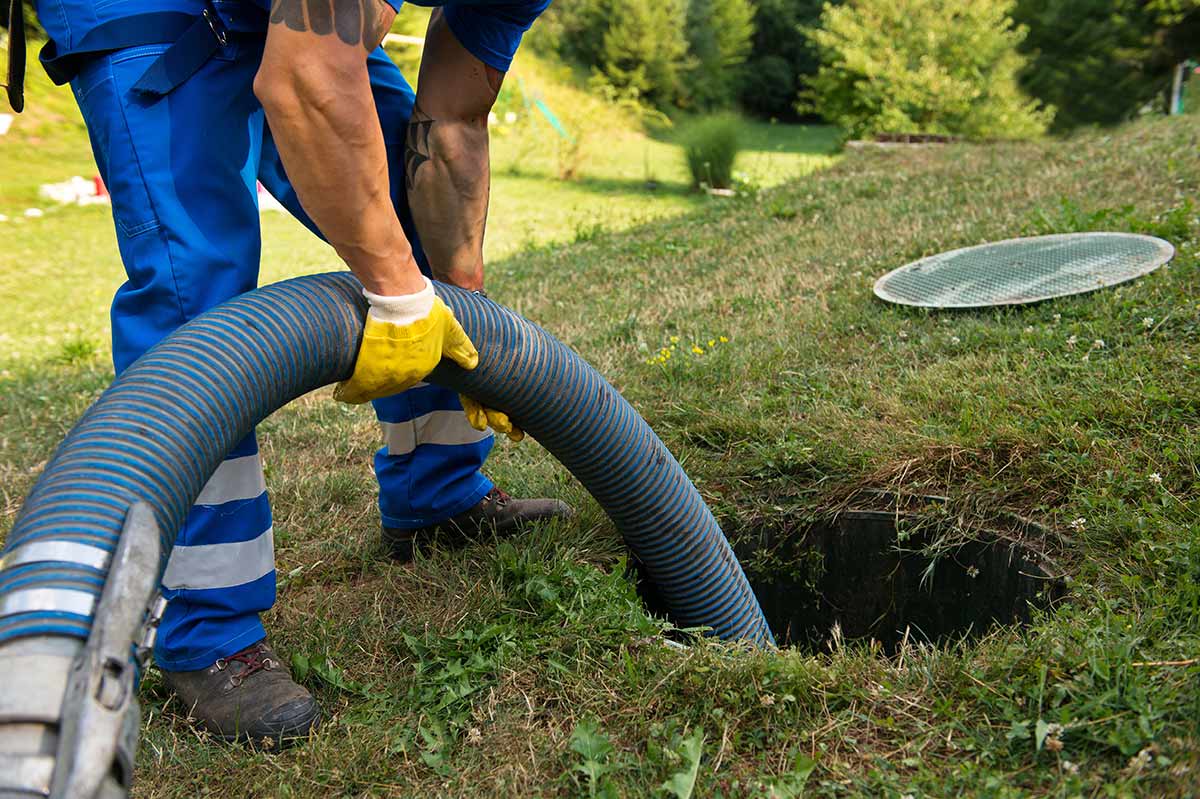
Why Does My New Septic Tank Smell and How to Fix It?
Okay, so you just got a brand new septic system installed. You're excited to be off the city sewer and finally have some independence, right? But wait, what's that smell? It's that unmistakable sewage odor wafting through your yard! You can't believe it! You just spent a fortune on a new system and it already smells! Don't panic! It's not unusual for a new septic system to have some odor issues. There are a few reasons this happens and, thankfully, there are usually some fairly simple solutions.Understanding the Causes of Septic Tank Odors
First, let's talk about why those foul smells are happening. Remember, your septic system is basically a mini-ecosystem working hard to break down waste. A lot of bacteria and enzymes are involved, and sometimes, things can get a little out of whack. Here are some common culprits:
1. Incomplete Breakdown:
Your septic tank is designed to separate solids and liquids. The solid waste settles at the bottom and is broken down by bacteria. But sometimes, if there's too much solid waste, or if the bacteria aren't working efficiently, you might get a buildup of sludge and a less-than-pleasant odor. Think of it like a compost bin - if you don't add the right ingredients, the compost doesn't break down properly and can get smelly!
2. The Drain Field is Overloaded:
The drain field is like the lungs of your septic system. It's the place where the treated wastewater is slowly released into the ground. If the drain field is overloaded, the treated water can't drain properly, leading to a backup that causes odors. This can happen if you have too much water going into the system (like running your washing machine and dishwasher all at once).
3. Problems with the Tank or Baffle:
Sometimes, the problem isn't with what's going in the septic system, but with the system itself. The tank might have a crack or a leak, or the baffle (which keeps solids from flowing into the drain field) might be damaged. These issues can allow untreated sewage to seep out and cause odors.
4. Poor Ventilation:
Your septic tank should have a vent pipe that releases gases from the system. If the vent pipe is blocked or inadequate, the gases can build up and escape through other openings, resulting in odor issues.
Tips to Fix Those Septic Tank Smells
Okay, now that you know what might be causing the odor, let's talk about how to fix it!
1. Reduce Waste:
The first and easiest step is to simply reduce the amount of waste going into your septic system. This means:
By reducing the amount of waste going into the system, you give the bacteria a better chance to break everything down effectively.
2. Check Your Vent Pipe:
Make sure your vent pipe is clear and unobstructed. Look for any signs of blockage, like leaves or debris. If you see a problem, you can often clear it yourself with a brush, but it's best to call a professional if you're unsure.
3. Add Bacteria to the Tank:
You can purchase septic tank bacteria at most hardware stores. These bacteria are designed to help break down waste more effectively, which can help reduce odors.
4. Add Septic System Deodorizer:
Septic system deodorizers can help mask odors, but they don't address the underlying problem. You can use them in conjunction with the other tips mentioned above, but they are not a long-term solution.
5. Consider Pumping the Tank:
If you're concerned about sludge buildup, you can have the tank pumped. A professional will remove the sludge and inspect the tank for any problems. Most septic tanks should be pumped every 3-5 years, depending on usage.
6. Don't Ignore the Problem!
The worst thing you can do is ignore the smell! If you're having trouble getting rid of it, don't hesitate to call a qualified septic system professional. They can diagnose the problem and recommend the best solution.
Commonly Asked Questions
Why does my new septic system smell worse than my old one?
It's not uncommon for a new septic system to smell worse at first. This is because the bacteria in the new tank haven't had a chance to establish themselves yet. Give it a few weeks and things should start to settle down. If the odor doesn't improve, contact a professional.
Is it normal for a septic system to have a slight odor?
Yes, a very slight odor is usually normal, especially near the vent pipe. However, if it's a strong odor, or if it's coming from other areas like your yard, it's a sign of a problem.
How often should I pump my septic tank?
The average septic tank should be pumped every 3-5 years. However, this can vary depending on the size of the tank, the number of people living in your home, and your water usage. Check with your local septic system inspector for recommendations.
What can I do to prevent odors from developing in the future?
The best way to prevent septic system odors is to maintain the system properly. This means regularly pumping the tank, avoiding flushing things that don't belong in the system, and being mindful of water usage.
Remember, a well-maintained septic system should be odor-free. If you're having issues, don't ignore them! A little attention to your system can go a long way in keeping it running smoothly and smelling fresh!
Thursday, November 14, 2024
Best Tips for Keeping Your Septic Tank Clean and Healthy
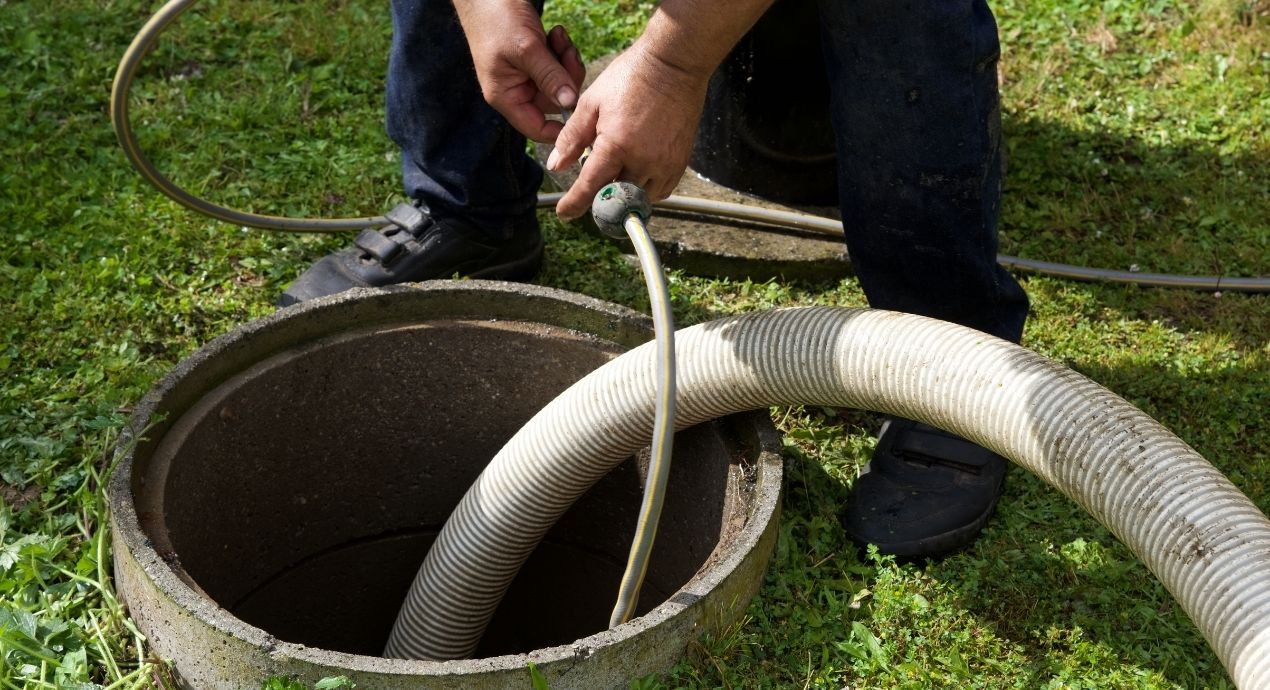
The Ultimate Guide to Keeping Your Septic Tank Clean and Healthy
Owning a home with a septic system comes with its own set of responsibilities. Keeping your septic tank clean and healthy is essential for its longevity and the smooth operation of your plumbing. A well-maintained septic system will prevent costly repairs, unpleasant odors, and environmental issues. Follow these tips to ensure your septic system stays in tip-top shape for years to come.
Understanding Your Septic System
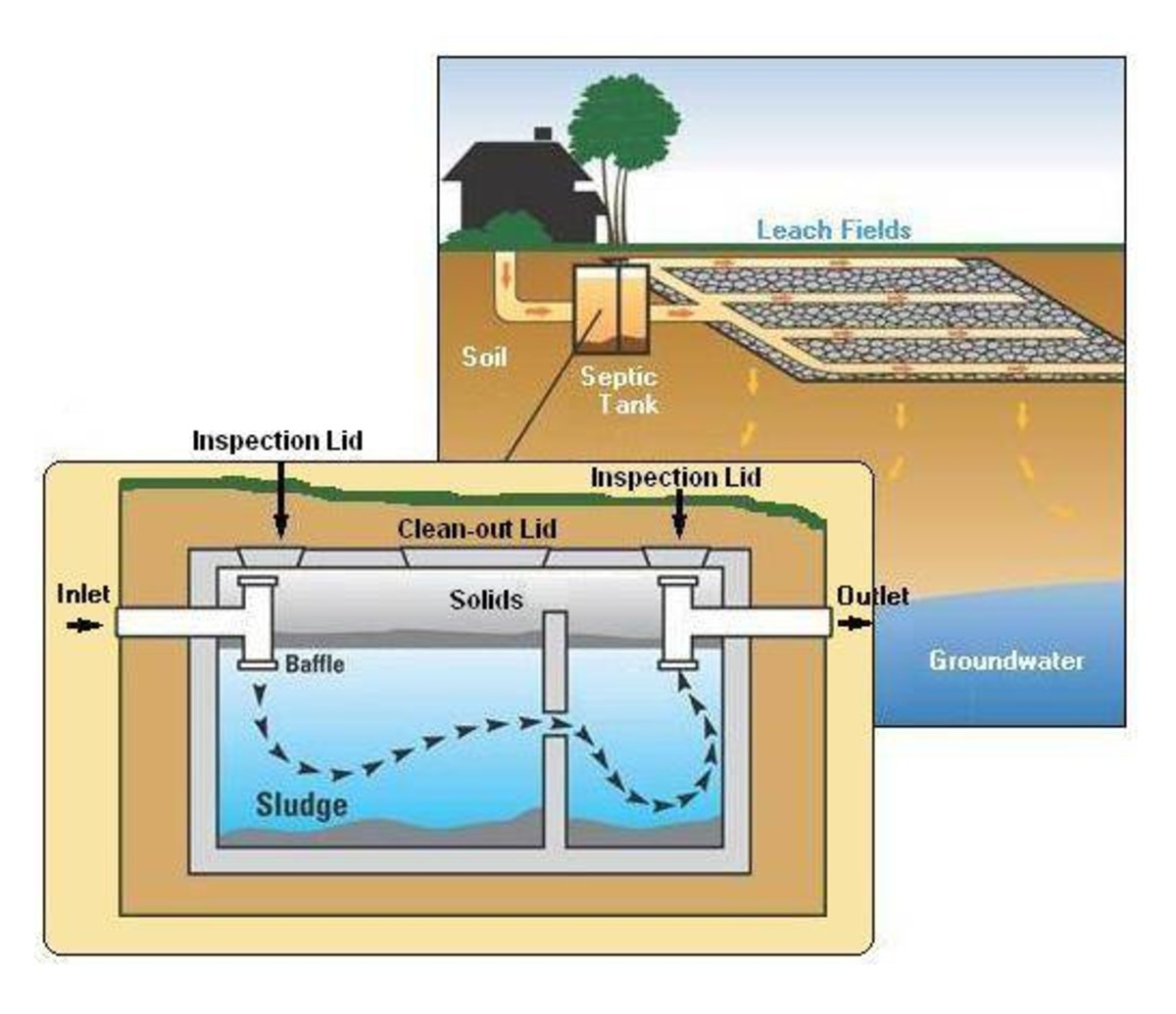
Before diving into maintenance tips, it's crucial to understand how your septic system works. Your system consists of a septic tank and a drain field. Wastewater from your home flows into the tank, where solids settle to the bottom, forming sludge. Liquids are then discharged into the drain field, where they are filtered and slowly absorbed into the soil. Regular maintenance ensures the efficient separation of solids and liquids, preventing clogs and backups.
Essential Tips for a Healthy Septic Tank
1. Pump Regularly
Pumping your septic tank is a vital part of its maintenance. Over time, sludge and scum accumulate in the tank, reducing its capacity and impacting its efficiency. Aim to pump your septic tank every 3-5 years, depending on your household size and water usage. You can schedule a professional pumping service or contact your local municipality for recommendations.
2. Avoid Harsh Chemicals
Avoid using harsh chemicals like bleach, drain cleaners, and antibacterial soaps, as these can disrupt the natural bacteria in your septic tank that help break down waste. Opt for eco-friendly cleaning products and septic tank additives that are safe for your system.
3. Conserve Water
Minimize water usage to reduce the amount of wastewater flowing into your septic system. Take shorter showers, fix leaky faucets, and use water-efficient appliances. By conserving water, you reduce the strain on your tank and prolong its lifespan.
4. Dispose of Grease and Fats Properly
Grease and fats can solidify in your septic tank, creating blockages and hindering the efficient breakdown of waste. Avoid pouring grease down the drain. Instead, let it cool and dispose of it in the trash.
5. Avoid Flushing Non-Biodegradables
Never flush anything that is not biodegradable down the toilet, including:
These items can clog your pipes and disrupt the normal functioning of your septic system.
6. Maintain Your Drain Field
The drain field plays a crucial role in filtering wastewater and allowing it to seep into the ground. Avoid driving or parking vehicles over the drain field, as this can compact the soil and hinder drainage. Additionally, ensure there are no obstructions blocking the drain field, such as trees or shrubs.
7. Inspect Regularly
Regularly check your septic system for signs of trouble. Look out for:
If you notice any of these signs, contact a qualified septic tank professional immediately.
Conclusion
By following these simple yet effective tips, you can ensure your septic system remains clean and healthy for years to come. Remember, a well-maintained septic system means a cleaner home, fewer headaches, and a more environmentally friendly approach to wastewater management.
How to Use a Septic Tank Odor Eliminator to Improve Your Yard’s Air Quality

How to Use a Septic Tank Odor Eliminator to Improve Your Yard’s Air Quality
Have you ever noticed an unpleasant smell coming from your yard, especially after a heavy rain? You might be dealing with a septic tank odor, which can be a source of embarrassment and even health concerns. Fortunately, there are solutions to eliminate these odors and improve the air quality of your yard. One of the most effective options is a septic tank odor eliminator. In this article, we will explore how these products work and guide you through the process of using them to create a fresh and inviting outdoor space.
Understanding Septic Tank Odors
Septic tank odors arise from the decomposition of organic matter within the tank. As waste breaks down, gases like hydrogen sulfide, ammonia, and methane are produced. These gases can escape through vents, cracks, or even the ground, creating a noticeable odor. While these odors might be mild at times, they can become potent and unpleasant, especially during warm weather or after heavy rain.
The Benefits of Using a Septic Tank Odor Eliminator
Septic tank odor eliminators are designed to neutralize these unpleasant odors by using a combination of methods:
- Bacteria: Some eliminators contain beneficial bacteria that break down organic waste and reduce the production of odor-causing gases.
- Enzymes: Enzymes help accelerate the breakdown of organic matter, further minimizing the release of foul smells.
- Deodorizers: Many eliminators incorporate fragrances or deodorizing agents to mask existing odors and leave a fresh scent in their wake.
By utilizing these methods, septic tank odor eliminators not only eliminate existing odors but also prevent future odor production, creating a more pleasant and healthy environment for you and your family.
Choosing the Right Septic Tank Odor Eliminator
When selecting a septic tank odor eliminator, consider the following factors:
- Type: Eliminators come in various forms, including liquids, powders, and tablets. Choose the one that best suits your needs and preference.
- Ingredients: Look for products that use natural and safe ingredients, especially if you have pets or children.
- Effectiveness: Read reviews and compare different products to find one that has a proven track record of effectively eliminating septic tank odors.
- Ease of Use: Choose a product that is easy to apply and maintain, as regular use is crucial for sustained odor control.
How to Use a Septic Tank Odor Eliminator
Follow these steps for using a septic tank odor eliminator:
- Read the instructions carefully: Each product has specific instructions, so always refer to the manufacturer's guide for dosage and application methods.
- Locate the septic tank: Identify the location of your septic tank. It's often marked with a lid or a small concrete slab.
- Add the eliminator: Pour or add the eliminator to the septic tank according to the instructions. For liquids, you might pour them directly into the tank. For tablets or powders, you may have to place them in a designated area or container.
- Monitor the results: After applying the eliminator, observe your yard for any changes in odor. If the odor persists, you may need to adjust the dosage or frequency of application.
- Maintain regular use: For best results, use the septic tank odor eliminator on a regular basis, as recommended by the manufacturer. This ensures continuous odor control and optimal septic tank performance.
Additional Tips for Odor Control
Beyond using a septic tank odor eliminator, here are some additional tips to improve your yard's air quality:
- Ensure proper ventilation: Make sure your septic tank has adequate ventilation. This helps to dissipate odors and prevent them from accumulating in your yard.
- Regular maintenance: Have your septic tank pumped regularly to prevent it from becoming overloaded and producing excessive odors.
- Plant odor-absorbing plants: Certain plants, such as lavender, rosemary, and mint, can help to mask unpleasant odors with their fragrant aromas.
By taking these steps and using a septic tank odor eliminator, you can transform your yard from a source of unpleasant smells to a fresh and inviting space for you and your loved ones to enjoy.
Septic Tank Odor Eliminators: Tips for Long-Term Freshness
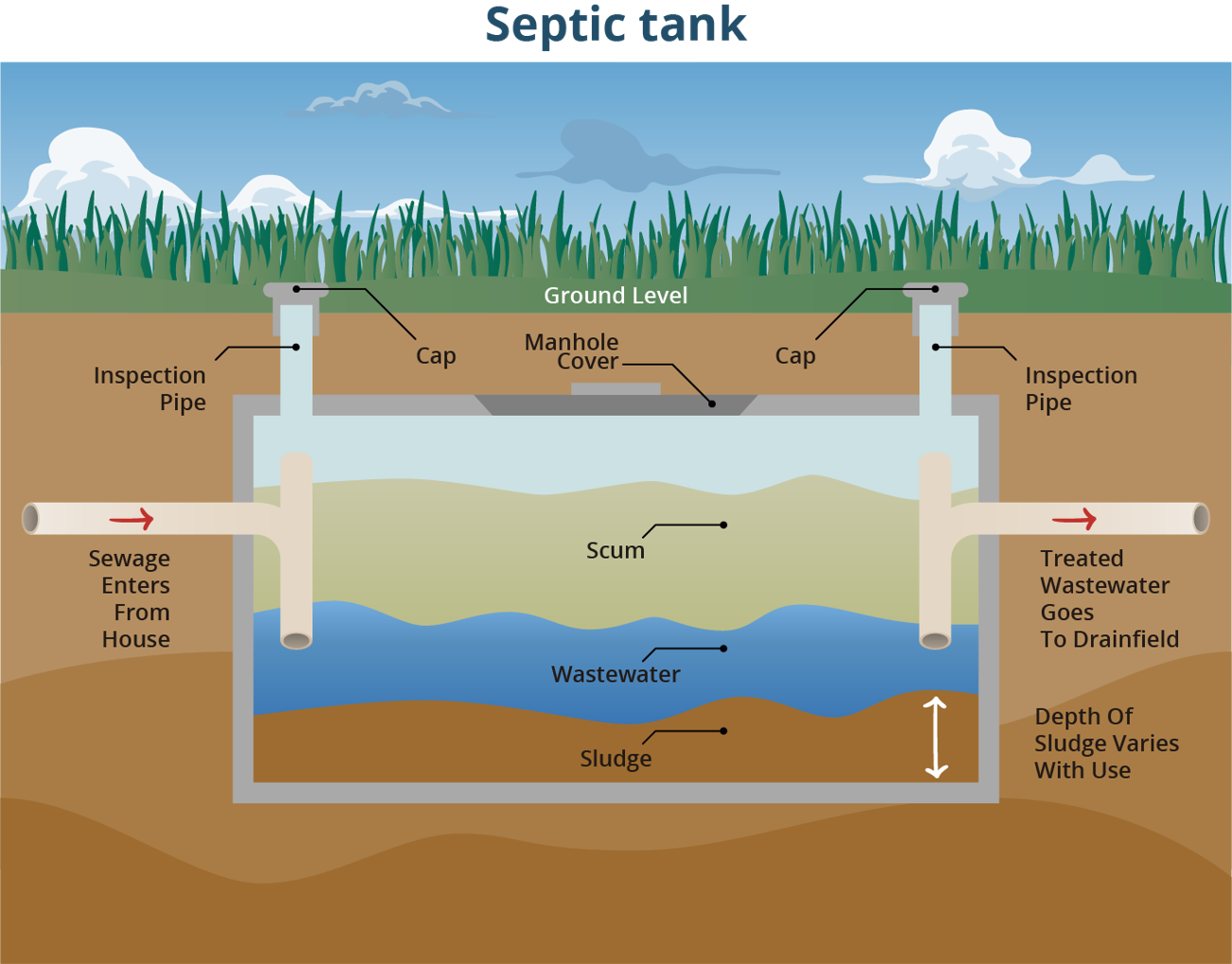
Septic Tank Odor Eliminators: Tips for Long-Term Freshness
The unmistakable scent of a malfunctioning septic system can be a source of embarrassment and discomfort. It's not only unpleasant but can also be a sign of underlying problems that require attention. Fortunately, a range of septic tank odor eliminators are available, offering solutions to combat this issue and restore a fresh environment. This article explores the effectiveness of these products, the factors influencing their performance, and provides insights for achieving long-term freshness.
Understanding Septic Tank Odors
Septic tank odors arise from the breakdown of organic waste within the system. As bacteria decompose these materials, they release gases, including hydrogen sulfide (responsible for the “rotten egg†smell) and methane (a flammable gas). These gases can escape through vents, pipes, or even the ground, creating an unpleasant odor.
Types of Septic Tank Odor Eliminators
Septic tank odor eliminators are designed to neutralize or mask the foul smells associated with a septic system. They come in various forms, each offering a unique approach to odor control. Here are some common types:
1. Biological Treatments
These products contain beneficial bacteria and enzymes that break down organic waste more efficiently, reducing the production of odor-causing gases. These treatments are generally safe for your septic system and can contribute to its overall health.
2. Chemical Odor Neutralizers
Chemical neutralizers use compounds that react with odor-causing molecules, transforming them into less odorous substances. These products often come in liquid or granular forms and can be added directly to the septic tank.
3. Air Fresheners and Deodorizers
These products focus on masking the odor rather than eliminating its source. They typically contain fragrances that temporarily cover up the unpleasant smell. They are available in various forms, including sprays, gels, and plugins.
Factors Affecting Septic Tank Odor Eliminator Effectiveness
The success of septic tank odor eliminators depends on several factors, including:
1. Septic System Condition
A well-maintained septic system is crucial for odor control. Regular pumping, proper waste disposal, and avoiding harsh chemicals can help prevent odors from developing.
2. Product Quality
Choosing high-quality odor eliminators from reputable brands is essential. Look for products specifically designed for septic systems and avoid those that may harm the beneficial bacteria in your system.
3. Usage Instructions
Following the manufacturer’s instructions diligently is vital. Using the correct dosage and frequency ensures optimal effectiveness and prevents potential harm to your septic system.
4. Environmental Factors
Climate and soil conditions can also affect odor control. In hot and humid weather, odors may be more pronounced, while well-drained soil can help dissipate gases.
Tips for Long-Term Freshness
Beyond choosing the right odor eliminator, there are several steps you can take to ensure long-term freshness and prevent odors from returning:
1. Regular Septic Tank Maintenance
Schedule regular septic tank pumping by a qualified professional. Pumping removes sludge and scum, preventing buildup and odor-causing gases. Aim to have your tank pumped every 3-5 years, depending on your system’s size and usage.
2. Proper Waste Disposal
Avoid flushing items that can clog your septic system, such as grease, oil, hair, and non-biodegradable wipes. These materials can create blockages and encourage odor production.
3. Water Conservation
Conserving water helps reduce the load on your septic system. Fix leaks promptly, take shorter showers, and consider water-efficient appliances.
4. Optimize Ventilation
Ensure proper ventilation in your septic system. A well-ventilated system allows gases to escape safely and prevents them from building up inside the tank and generating odors.
5. Avoid Harsh Chemicals
Avoid using harsh chemicals that can kill beneficial bacteria in your septic system. These chemicals can disrupt the breakdown process, increasing odor production.
6. Use a Septic Tank Treatment Regularly
Use a biological treatment or a septic tank odor eliminator on a regular basis, following the manufacturer's instructions. This helps maintain a healthy balance of bacteria and enzymes, preventing odor buildup.
Conclusion
Septic tank odor eliminators provide a valuable tool for managing and controlling unpleasant smells associated with septic systems. Choosing the right product, following usage instructions, and implementing preventive maintenance practices are essential for long-term freshness. Remember that a well-maintained septic system is crucial for odor control and overall system health. By taking proactive steps, you can ensure a clean and comfortable environment for your home and minimize the risk of embarrassing odors.
Wednesday, November 13, 2024
New Septic Tank Smells: Causes and Solutions for Your Yard

New Septic Tank Smells: Causes and Solutions for Your Yard
Ah, the joy of a new septic system. It's supposed to be a fresh start, a clean slate, a sign of progress. But sometimes, instead of the smell of fresh-cut grass, your yard is filled with something decidedly less pleasant â€" the unmistakable scent of sewage. Don't worry, you're not alone. Many homeowners experience a new septic tank smell, and it's usually fixable. Let's dive into the common culprits and solutions.
Common Causes of Septic Tank Smell
The first step in tackling any problem is understanding the root cause. Here are some of the most frequent reasons why your new septic tank might be letting off that not-so-fresh aroma:
1. The Installation Itself
Sometimes, the problem lies in the way the septic system was installed. This could involve:
- Improperly sealed connections: A leaky vent stack, vent pipe, or even a loose connection at the tank itself can let those unwanted odors escape.
- Incorrectly sized components: If the tank, leach field, or drain field isn't the right size for your household's needs, it can easily become overloaded and back up, leading to smells.
- Inadequate drainage: If the soil around the leach field can't absorb water properly, it can lead to saturation, creating a breeding ground for odors.
2. Poor Maintenance
Even brand new septic systems require a little TLC. Here's where you might be going wrong:
- Overloading the system: Think of your septic tank like a giant bathtub â€" it can only hold so much before things start overflowing. Avoid flushing anything that doesn't belong in the toilet, like wipes, paper towels, or even coffee grounds.
- Not pumping the tank regularly: Your septic tank needs to be pumped out every few years, depending on its size and how many people live in your home. A full tank won't process waste properly and can lead to a smelly situation.
- Ignoring the warning signs: Pay attention to any changes in your toilet's flushing ability, slow drains, or puddles around the septic system. These could be signs of trouble brewing.
3. The Great Outdoors
Sometimes, nature itself can be a culprit:
- Heavy rainfall: Excessive rain can overwhelm the system, forcing water into the leach field at an unsustainable rate. This can cause backups and odors.
- Dry weather: Believe it or not, dry conditions can also contribute to smells. Without enough moisture, the leach field can become clogged and less effective.
- Tree roots: If your trees are too close to your septic system, their roots can infiltrate the pipes and disrupt the flow, leading to blockages and smells.
Tackling the Smell: Solutions for a Fresh-Smelling Yard
Now that you know the common culprits, let's get down to the business of fixing those smells. Here's a step-by-step approach:
1. Identify the Source
Before you start throwing money at solutions, try to pinpoint where the smell is coming from. Does it seem to be emanating from the tank itself, the leach field, or a specific area around your yard? This will help narrow down the possible causes and make your troubleshooting more effective.
2. Check for Leaks
A visual inspection is your first line of defense. Check all the connections between the tank and the leach field, as well as the vent stack. Look for any cracks, gaps, or loose fittings. If you see a leak, call a professional plumber immediately. They'll be able to fix the problem and prevent further odors.
3. Deodorize with Baking Soda and Vinegar
For mild odors, try a simple home remedy. Pour a cup of baking soda down your septic tank inlet and let it sit for a few hours. Then, add a cup of vinegar to the tank. The combination will help neutralize odors and deodorize your septic system. However, this is a temporary fix and won't address the underlying issue.
4. Pump Your Tank
Even if your tank is brand new, it's important to have it pumped regularly. A full tank can't process waste properly and is a major contributor to unpleasant odors. Schedule a pumping service every few years, or more often if you have a large family or use a lot of water.
5. Maintain Your System
Don't forget the basics! Be mindful of what you flush down the toilet. Avoid using harsh chemicals or excessive amounts of paper products. And keep an eye on your water usage. Conserving water can reduce the strain on your septic system and prevent odors.
6. Consider Septic Tank Additives
You can find various septic tank additives at your local hardware store. These products typically contain bacteria and enzymes that help break down waste more efficiently. While they won't solve all your problems, they can help improve the performance of your system and reduce odors.
7. Address Drainage Issues
If the smell seems to be coming from the leach field, you might have a drainage issue. This could mean the soil is too dense or the leach field is simply too small for your household's needs. You'll need to call a professional to assess the situation and recommend a solution. They might suggest adding a drainage layer or replacing the leach field altogether.
8. Call a Professional
If you've tried all the above remedies and the smell persists, it's time to call in a professional. They'll be able to diagnose the problem accurately and offer a tailored solution. This could involve anything from fixing a leak to replacing the entire system. Don't be afraid to seek expert help; it's the best way to ensure your new septic tank is functioning properly and your yard smells fresh and inviting again.
Don't Let Septic Tank Smell Ruin Your Yard
A new septic system should be a source of pride, not a source of stink. By following these steps, you can troubleshoot and solve the problem of septic tank odors in your yard. Remember, a well-maintained septic system is essential for a happy and healthy home. Stay proactive, be mindful of your system's needs, and don't hesitate to seek professional help when necessary.
How to Get Rid of Septic Smell in Your House Naturally

How to Get Rid of Septic Smell in Your House Naturally
Ugh, that septic smell! It's the worst, isn't it? It can be embarrassing, and it's just plain unpleasant. But before you call a plumber, there are some things you can try to get rid of that septic smell naturally.
Let's face it, that stinky odor is often a sign that your septic system isn't working as efficiently as it should. Bacteria in your septic tank are hard at work breaking down waste, and sometimes they get a bit too enthusiastic, creating those unpleasant smells. But don't worry, there are ways to get rid of the odor and help your septic system work better.
Here's what you can do to conquer the septic stench:
1. The Power of Baking Soda and Vinegar
Remember that classic science experiment where baking soda and vinegar combine to make a foamy eruption? Well, that same reaction can be your weapon against septic smells.
Simply pour about a cup of baking soda down your drain and follow it up with a cup of white vinegar. Let the mixture bubble and fizz for a few minutes before flushing with hot water. This combination helps neutralize odors and clean the pipes.
You can do this once a week or even more often if the smell is strong.
2. Unleashing the Power of Natural Deodorizers
Sometimes, a little fragrance can go a long way. Natural deodorizers, like citrus peels, coffee grounds, or even dryer sheets, can help mask that unpleasant septic smell.
Citrus Peels
Citrus peels are nature's air fresheners. Just throw some orange, lemon, or grapefruit peels down the drain. The citrus oils will help to neutralize odors and leave a fresh scent.
Coffee Grounds
Don't toss those coffee grounds just yet! They are great for absorbing odors. Sprinkle some down the drain, let them sit for a few hours, then flush with hot water.
Dryer Sheets
Yep, dryer sheets can actually help! You can toss a few dryer sheets down the drain, followed by hot water. The scent will help to mask the septic smell.
3. Water, Water, Everywhere
Believe it or not, water is your septic system's best friend. A lack of water can lead to sludge buildup in your septic tank, which can contribute to that dreaded odor. So, make sure you're using enough water.
Here are a few ways to boost your water usage:
- Run your washing machine and dishwasher on a regular schedule.
- Flush your toilets every now and then, even if you don't need to.
- Take long showers occasionally.
Remember, a good rule of thumb is to run a full load of laundry or dishes each day. This keeps your septic system working smoothly.
4. The Importance of Routine Maintenance
Think of your septic system like a car. Regular maintenance is crucial to keep it running smoothly. Here are some tips for keeping your septic system in tip-top shape:
- Inspect your septic tank: Your septic tank should be inspected every 3-5 years. A professional can assess its condition and ensure it's functioning properly.
- Pump your septic tank: Septic tanks need to be pumped out every 3-5 years, depending on how much wastewater you generate. Pumping removes the sludge and scum that accumulate over time, preventing system clogs.
- Avoid harsh chemicals: Harsh chemicals like drain cleaners can damage your septic system and even kill the beneficial bacteria that help break down waste. Stick to natural solutions whenever possible.
Remember, it's better to be proactive than reactive. Regular maintenance can help prevent unpleasant odors and keep your septic system working for years to come.
5. Identifying the Source of the Smell
Sometimes, the septic smell might not be coming from your septic system at all. It could be a plumbing issue, like a leaky drain or a broken sewer line.
If the odor seems localized to a specific area, like the bathroom or kitchen, it's a good idea to check your drains for clogs. You can try using a plunger or a drain snake to clear any obstructions.
If the smell persists or you suspect a broken sewer line, it's best to call a plumber. They can diagnose the problem and provide a solution.
6. Emergency Measures for Strong Odors
If the smell is really strong and you need a quick fix, try this:
- Ventilate your house: Open windows and doors to let fresh air circulate.
- Use a fan: Set up a fan to blow fresh air into the affected area.
- Use air fresheners: While natural options are ideal, you can use air fresheners in a pinch to mask the smell.
7. Don't Flush the Wrong Things
Your septic system is not a garbage disposal. Avoid flushing things like:
- Grease: Grease can clog your pipes and lead to foul smells.
- Coffee grounds: While coffee grounds can help with odors, they can build up in your septic system and cause problems.
- Paper products: Only flush toilet paper. Avoid flushing napkins, paper towels, or tissues.
- Disposable wipes: Even "flushable" wipes can clog your septic system.
- Medications: Flush medications only if instructed by the label.
- Feminine hygiene products: These products should not be flushed.
By avoiding these items, you'll help keep your septic system working smoothly and reduce the chances of unpleasant odors.
Don't Panic, You Can Get Rid of That Septic Smell!
Remember, you don't have to live with that nasty septic smell. With a little patience and some simple solutions, you can get rid of it naturally. Keep in mind, if the odor persists or you suspect a serious problem, it's always best to call a professional plumber.
Outdoor Septic Odor Problems: Causes and How to Fix Them

Outdoor Septic Odor Problems: Causes and How to Fix Them
Let’s face it: Nobody wants to be greeted by a funky smell when they step outside. But if you have a septic system, you’re already aware that those unpleasant odors can be a reality. If you're dealing with those "oh no, not again" moments where your nose is telling you something is wrong, don’t fret! It’s time to dive into the world of septic system odors, discover the culprits, and equip yourself with the knowledge to banish those unwanted aromas.
Common Causes of Septic Odors
First things first, let's figure out why your septic system is turning into a smelly situation. There are a few common culprits behind those unwanted odors.
1. The Septic Tank Itself
Imagine your septic tank as a busy beehive, working hard to break down waste. But sometimes, the "bees" in this hive (the bacteria responsible for decomposition) get overwhelmed. When this happens, waste doesn't break down as effectively, leading to a buildup of gasses and, you guessed it, odors. This is especially likely if your septic tank is full, or if you've been throwing items in there that shouldn't be there (like grease, oils, or large amounts of toilet paper).
2. The Drainfield: The Unsung Hero (or Villain)
The drainfield is the unsung hero of your septic system. It’s a network of pipes that filters and releases the treated wastewater back into the ground. But if the drainfield gets clogged, it can become a breeding ground for bacteria, leading to a nasty smell. Overloading the system with too much water, improper installation, or even tree roots can contribute to drainfield problems.
3. The Vent Pipe: Keeping Things Balanced
Think of the vent pipe as your septic system's exhaust system. It's designed to release gases from the tank and prevent pressure buildup. If the vent pipe is blocked, it can create a vacuum effect, pulling those stinky gases back out through other openings, like the toilets or floor drains.
4. Your Plumbing: Plumbing Problems Can Lead to Septic Problems
While your septic system is the main culprit, sometimes the problem lies within your plumbing. Leaky pipes, faulty seals, or even a clogged toilet can create the perfect environment for odors to escape.
Troubleshooting Septic System Odors: Finding the Root of the Smell
Okay, so now that we know what can cause those stinky situations, how can you figure out what’s happening in your own system? Here are some clues to look for:
1. The Location of the Smell: Follow Your Nose!
Is the smell coming from your septic tank lid, your drainfield, or your plumbing fixtures?
- If it's coming from the septic tank, you might have a full tank or a problem with the solids being broken down.
- If it's coming from the drainfield, the drainfield might be clogged.
- If it's coming from plumbing fixtures, it might be a plumbing issue.
2. The Timing of the Smell: When Does it Happen?
Is it happening consistently, or does it only appear after you've used a lot of water or flushed the toilet?
- If it happens after using a lot of water, your system might be overloaded.
- If it happens after flushing the toilet, it might be a sign of a plumbing issue.
3. The Type of Smell: Decode the Scent
What does the smell actually smell like?
- A strong, foul odor could be a sign of a full tank or a failing drainfield.
- A rotten egg smell could be a sign of hydrogen sulfide gas, which is produced when bacteria decompose organic matter.
Septic System Odor Solutions: Getting Rid of the Smell
You've sniffed out the problem, now it's time to fix it! Here’s a breakdown of solutions based on the cause:
1. Septic Tank Issues
Pumping your tank: This is the most straightforward solution. If your tank is full, it needs to be emptied! A professional septic tank pumper can handle this job.
Septic tank additives: These can help improve the breakdown of waste and reduce odor. You can find them at most home improvement stores.
Septic tank maintenance: It's essential to have your septic system inspected and pumped regularly (typically every 3-5 years).
2. Drainfield Issues
Professional inspection: A professional can inspect your drainfield for clogs or other problems and recommend a solution.
Drainfield repair: If the drainfield is damaged, it may need to be repaired or replaced.
Water usage: Reduce your water usage to avoid overloading the system.
3. Vent Pipe Issues
Professional inspection: A professional can inspect your vent pipe for blockages.
Vent pipe cleaning: If the vent pipe is blocked, it needs to be cleaned.
Vent pipe repair: If the vent pipe is damaged, it may need to be repaired or replaced.
4. Plumbing Issues
Professional plumbing inspection: A plumber can inspect your plumbing for leaks, clogs, or other problems.
Plumbing repairs: If any plumbing issues are found, they will need to be fixed.
Additional Tips for Preventing Septic Odors
Here are a few tips that can help prevent septic system odors from becoming a recurring problem:
- Be mindful of what you flush: Don't flush grease, oil, or other non-biodegradable items down the toilet.
- Limit toilet paper use: Excessive toilet paper can overload the system.
- Keep your septic tank lid closed: This will prevent odors from escaping.
- Don't use harsh chemicals: Chemicals can harm the bacteria in your septic system.
- Maintain your lawn: Make sure the ground around your drainfield is properly graded to prevent water from pooling around the drainfield.
- Don't drive over your drainfield: Heavy vehicles can damage the drainfield.
By taking these steps, you can help ensure your septic system stays healthy and odor-free. And remember, if you have any concerns about your septic system, don't hesitate to contact a professional for help.
Tuesday, November 12, 2024
Effective Techniques to Get Rid of Septic Tank Smell Outdoors
Banishing the B.O. of Your Septic System: Effective Techniques to Eradicate Outdoor Septic Tank Smell
The sweet, pungent aroma of a malfunctioning septic system is not exactly what anyone wants to greet them at the doorstep. This unwelcome odor can quickly turn your outdoor oasis into a smelly haven, sending you scrambling for solutions. Fortunately, you don't have to resort to burying your nose in a bouquet of lilies to combat the offensive scent. Here's a detailed guide to effectively eliminate the odor from your septic system, reclaiming your outdoor space and peace of mind.
Unmasking the Culprit: Identifying the Source of the Smell
Before you start spraying air freshener, it's crucial to understand the root of the problem. Septic tank odor often originates from a breakdown in the system's natural bacterial process. This breakdown can be triggered by several factors, including:
- Overloading: Too much waste entering the septic tank can overwhelm the bacteria, leading to a buildup of organic matter and unpleasant smells.
- Poor Ventilation: Inadequate ventilation can trap odor-causing gases within the septic system, eventually escaping into the surrounding air.
- Leaky Pipes or Components: Cracks or leaks in the septic tank, leach field, or pipes allow smelly gases and waste to escape into the environment.
- Blocked Drain Field: Clogged drain field lines hinder the efficient drainage of treated wastewater, leading to a buildup of odor-producing substances.
Conquering the Odor: Practical Techniques to Eliminate the Smell
Now that you've identified the possible culprits, let's tackle the offensive scent head-on:
1. Maintain a Healthy Septic System:
A well-maintained septic system is the best defense against odor. Regular maintenance, including pumping out the tank every 3-5 years and inspecting for leaks, can prevent odor problems before they start. Consider using septic tank additives to boost the bacteria's activity and improve waste breakdown.
2. Address Ventilation Issues:
Make sure your septic system is adequately ventilated. This involves ensuring vent pipes are clear of obstructions and that the vent stack extends at least 12 inches above the roofline. A proper ventilation system allows gases to escape safely, preventing them from accumulating and causing odor.
3. Repairing Leaks:
Leaks are a major source of septic tank odor. Inspect all components of your septic system, including the tank, leach field, and connecting pipes. Any leaks should be promptly repaired by a qualified professional.
4. Clearing Drain Field Blockages:
A clogged drain field can lead to slow drainage and a buildup of smelly substances. If you suspect a blockage, contact a professional to assess and clear the drain field lines. Regular maintenance, such as avoiding excessive flushing and using septic-safe cleaners, can prevent future blockages.
5. Utilizing Natural Deodorizers:
While these methods won't solve underlying problems, natural deodorizers can help mask the smell in the short term. You can sprinkle baking soda around the septic tank area to absorb odor, or use a combination of vinegar and water sprayed around the perimeter to neutralize the scent.
Protecting Your Investment: Long-Term Solutions for Odor Control
While the quick fixes above can provide temporary relief, it's essential to address the root cause of the odor for a lasting solution. This may require the expertise of a licensed septic system professional who can diagnose the problem, recommend appropriate solutions, and perform necessary repairs.
A well-maintained septic system is a silent worker, effectively processing waste without bothering you. By following these tips, you can eliminate the unwelcome scent and ensure your septic system operates efficiently for years to come.
How to Manage and Remove Septic Tank Smell Outside

How to Manage and Remove Septic Tank Smell Outside: A Guide for Your Nose and Your Home
Let’s be honest, nobody wants a smelly septic tank. It’s that kind of odor that sticks with you â€" like a bad memory you can’t shake. But fret not, fellow homeowner! This guide will walk you through the ins and outs of managing and even removing those pesky smells from your outdoor space. We’ll talk about everything from finding the source of the stench to tackling it head-on, so you can finally enjoy your backyard in peace.
First, You Gotta Find the Source
Imagine trying to fix a leaky faucet without knowing where the water’s coming from. That’s kind of how dealing with septic tank smells goes â€" you need to figure out the source of the odor before you can tackle it. Here’s a breakdown of some common culprits and how to pinpoint them:
1. The Septic Tank Itself:
The most obvious culprit? Your trusty septic tank. If it’s overflowing or not properly sealed, it’s going to let off some seriously funky aromas. You’ll usually notice the smell strongest near the tank itself. To see if this is the case:
2. The Drain Field:
Your drain field is where the treated wastewater goes to soak back into the ground. If it's not draining properly, it can create a smelly swamp in your backyard. Here’s how to check it:
3. The Plumbing System:
Sometimes the issue isn’t your septic tank itself, but rather a leaky pipe or fixture somewhere in your plumbing system. This could be anywhere from a cracked toilet to a faulty drain pipe. To figure this out:
The Smells Are Gone, Now What?
You’ve found the source of the stink, now it’s time to tackle it! Here’s a plan of attack to get your outdoor space smelling fresh again:
1. The DIY Approach:
For minor issues like a leaky faucet or a clogged vent pipe, a little DIY magic can go a long way. Here are some common solutions:
2. Calling in the Pros:
Sometimes, DIY just isn’t enough. If you’re dealing with a major issue like a failing drain field or a septic tank that needs emptying, it’s time to call in the professionals. A certified septic technician can:
Preventive Measures:
The best way to avoid septic tank odors is to prevent them in the first place! Here’s a rundown of some easy-to-follow preventative measures:
Remember, It’s All About Prevention!
Septic tank smells aren’t just a nuisance â€" they can actually be a sign of a bigger problem. By taking the steps outlined above, you can keep your septic system functioning properly and keep those bad odors at bay. So, get to know your system, follow the maintenance tips, and enjoy a fresh-smelling outdoor space!